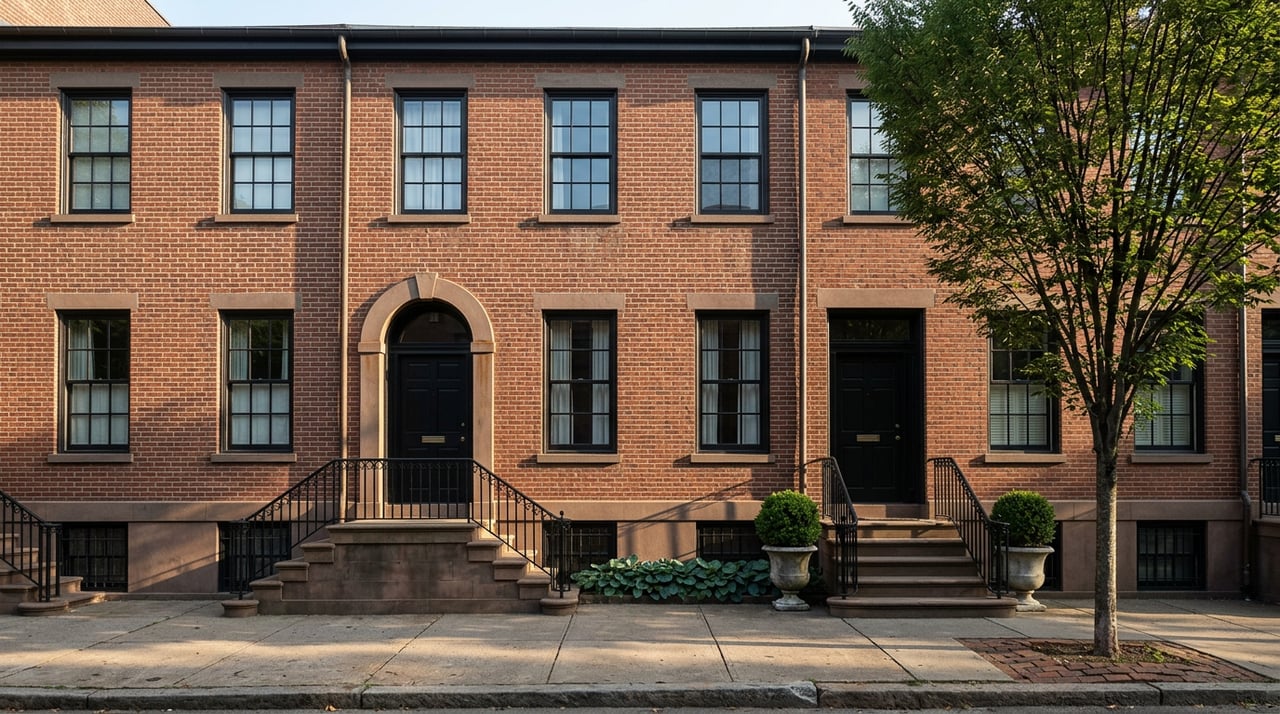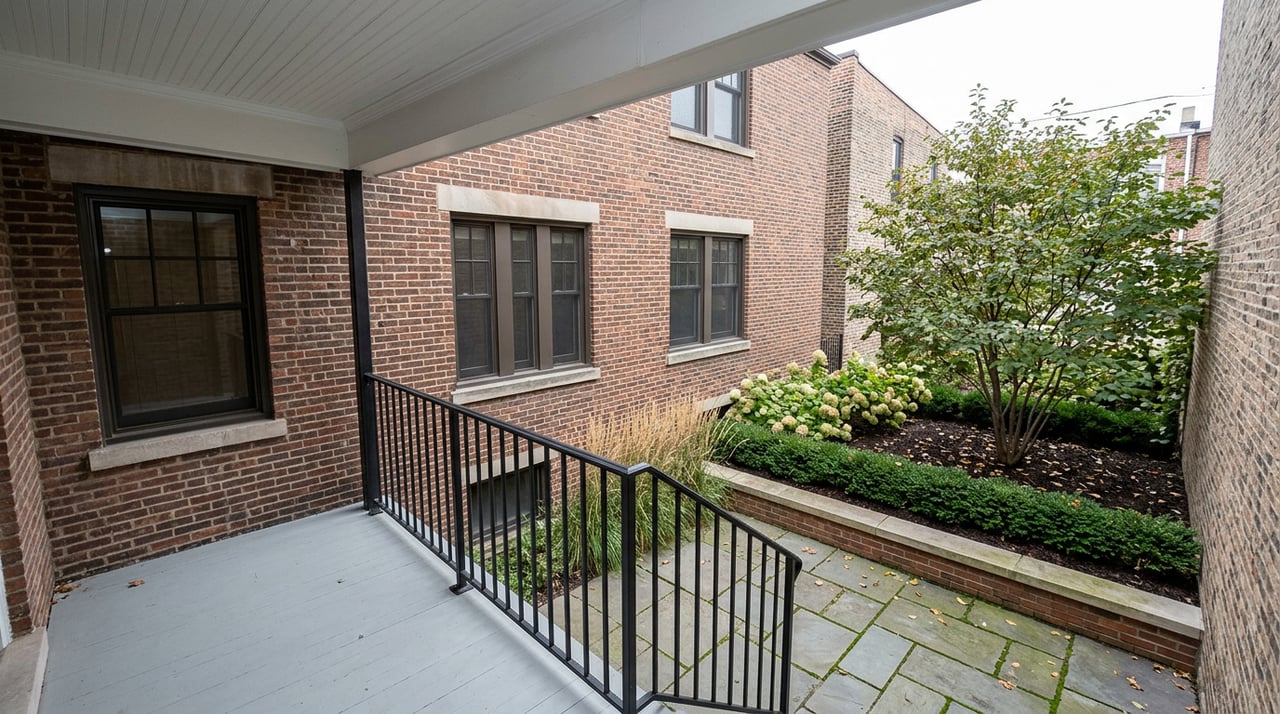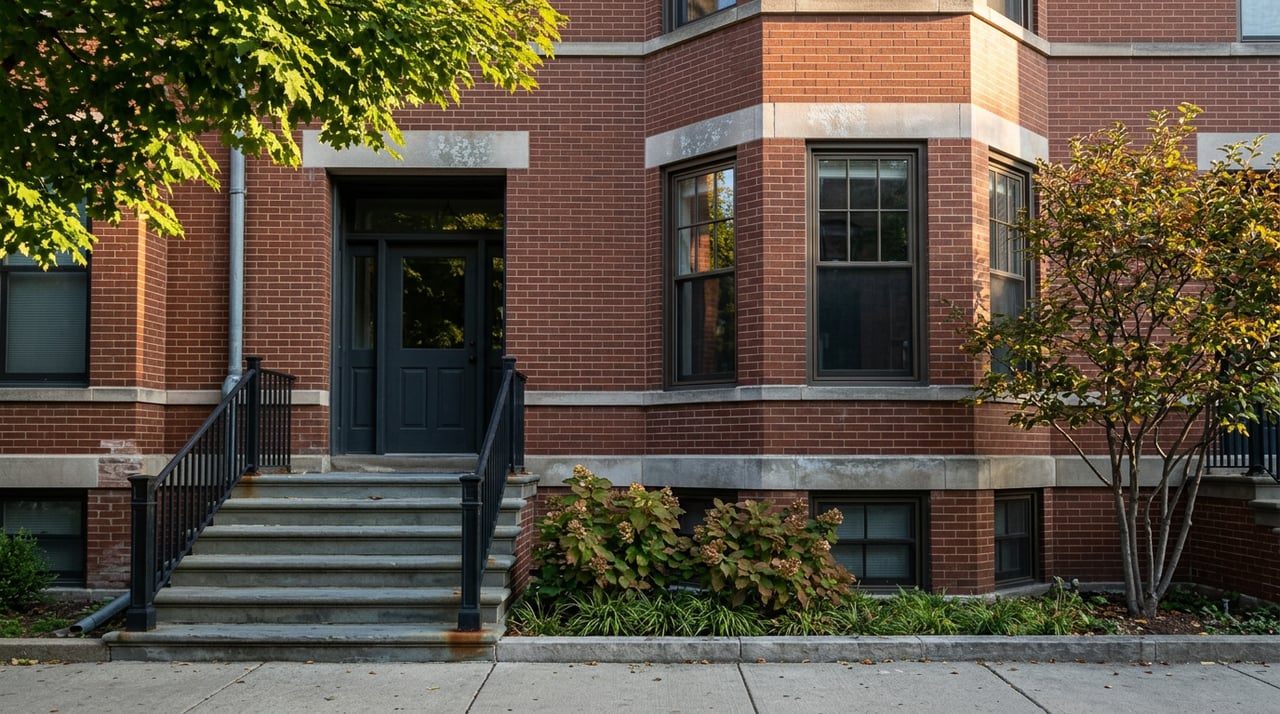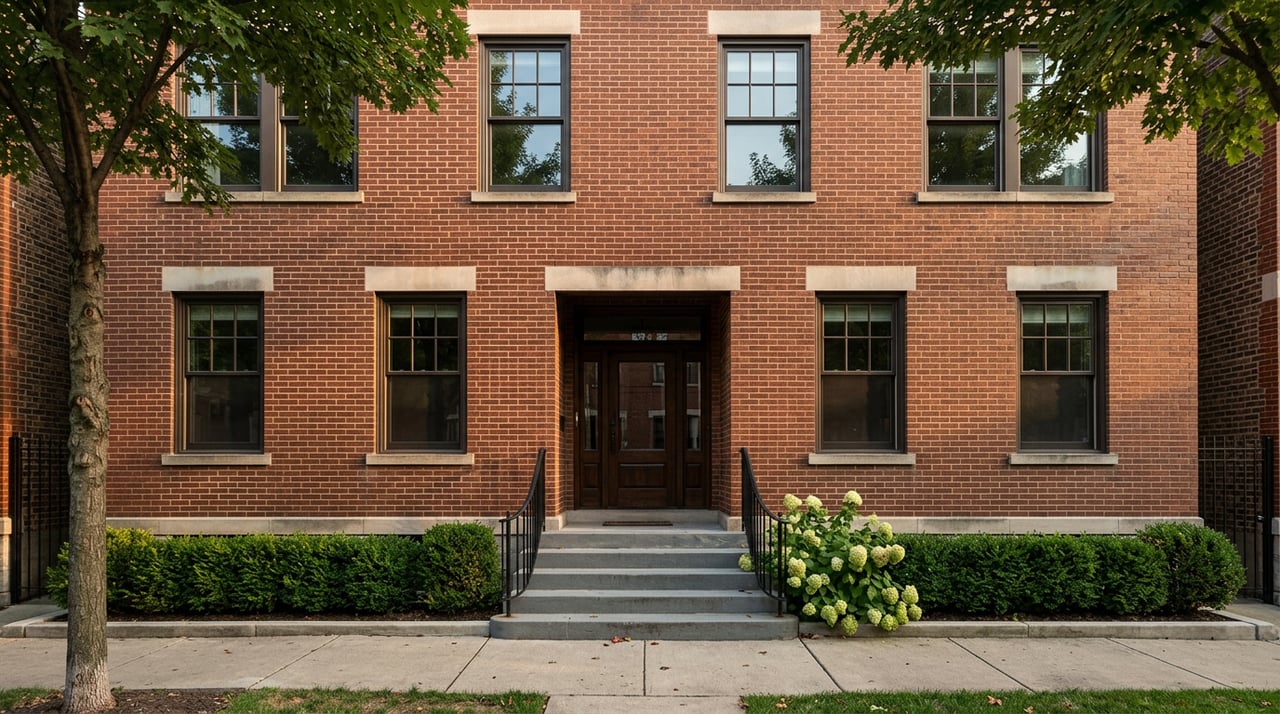
If you are eyeing a Ukrainian Village two-flat, the biggest opportunity is not always where you first look. A handsome brick exterior and a classic Chicago streetscape can hide major rehab risk, especially in a landmark district where visible exterior changes may face more review. If you want to separate true value-add deals from money pits, you need a clear way to evaluate preservation constraints, likely repair costs, and where the upside really comes from. Let’s dive in.
Why Ukrainian Village rehabs are different
Ukrainian Village is not just another Chicago neighborhood with older housing stock. The Ukrainian Village District was designated a Chicago Landmark in 2002, and the city describes it as a well-preserved collection of worker's cottages, two- and three-flats, single-family residences, and larger apartment buildings.
For you as a buyer or house-hacker, that means rehab potential is closely tied to preservation rules. In landmark districts, Chicago reviews permit applications to see whether work affects significant historic and architectural features, especially exterior elevations visible from the public right-of-way.
That does not mean every project is impossible. It means the smartest rehab plans usually work with the building’s existing street-facing character instead of trying to fight it.
Where the best upside usually comes from
In many Ukrainian Village two-flats, the strongest upside comes from improvements that make the property work better without heavily altering the front facade or roofline. If the building already presents well from the street, you may be able to focus your budget on the areas that matter most to function and long-term value.
That often includes:
- Kitchen and bath updates
- Layout improvements inside existing walls or footprints
- Mechanical, plumbing, and electrical upgrades
- Basement cleanup or reconfiguration
- Rear-of-lot or less-visible exterior improvements
This matters because Chicago’s review in landmark districts is generally concentrated on exterior features visible from the public way. Projects centered on interiors and less-visible areas often offer a more practical path to value creation.
Why street-facing changes can slow a deal
The more your plan depends on visible exterior work, the more carefully you should underwrite time and soft costs. Chicago’s permit-review guidance notes that additions, rooftop additions, dormers, porches, and roof decks may require extra pre-permit materials such as drawings, photos, site plans, and sometimes visibility studies or mock-ups.
That added process does not automatically kill a project, but it can affect your timeline, design costs, and certainty. A deal that looks great on a simple back-of-the-envelope budget can become less attractive if your value creation depends on a major visible exterior change.
Pre-permit submissions can help clarify requirements and reduce surprises. If you are evaluating a property with an ambitious exterior scope, that step can be important early in your decision-making.
How to spot a strong rehab candidate
When you walk a Ukrainian Village two-flat, start with a simple question: does the property already fit the district well from the street? If the answer is yes, that is often a good sign because the building may offer value-add potential through interior and systems work rather than through a more difficult exterior redesign.
A strong candidate often has:
- Solid street-facing massing and masonry
- A facade and roofline that already feel consistent with the block
- Interior finishes that are dated but fixable
- Older systems that can be replaced methodically
- Rear or basement areas with functional improvement potential
The goal is not just to find a building that needs work. It is to find one where the work you need is the kind of work most likely to move the property forward efficiently.
Red flags that can blow up your budget
Older Chicago masonry buildings can carry issues that go far beyond cosmetic rehab. City inspection records repeatedly show common problem areas that can turn a light project into a much heavier one.
Watch closely for:
- Spalling brick
- Open or deteriorated mortar joints
- Damaged parapets
- Failing window sills
- Rotted eaves
- Leaking gutters
- Buckled stoops
- Rotted exterior doors or frames
- Interior stair problems
- Fire-separation issues
These are not small line items. Masonry repairs, parapet work, and code-related stair or separation fixes can materially change your budget and timeline.
Basement risk deserves extra caution
Basements can create upside, but they can also create some of the biggest surprises. City enforcement records show that unauthorized basement alterations can lead to orders to submit plans, obtain permits, and even remove work that was installed without approval.
That means a basement that looks partly finished or rent-ready is not necessarily an asset. It may represent legalization risk, added design cost, or demolition cost before you can move forward properly.
When reviewing a two-flat, treat basement space with discipline. Ask not only whether it looks usable, but whether the work appears permitted and whether the layout fits a realistic rehab plan.
Lead-safe work matters in older two-flats
Many Ukrainian Village two-flats were built long before 1978. For those properties, renovation, repair, and painting work can disturb older paint and create lead dust or chips, especially during sanding, cutting, or window replacement.
EPA guidance advises using lead-safe contractors for this type of work in pre-1978 buildings. In practical terms, that means you should expect older-window replacement, paint disturbance, and certain interior rehab tasks to require a more careful approach.
This is not just a health and safety issue. It can also affect project planning, contractor selection, and overall scope coordination.
How to underwrite rehab potential realistically
If you want to evaluate a Ukrainian Village two-flat well, avoid treating the rehab budget as one big bucket. The better approach is to separate the deal into cost categories so you can see where the true risk sits.
At a minimum, break your underwriting into:
- Acquisition costs
- Carry costs
- Hard construction costs
- Preservation and design soft costs
- Permit and review timing risk
This structure matters because a project with straightforward interior upgrades is very different from one that depends on visible additions or roof changes. The second type may carry more documentation, review time, and design complexity.
Tax incentives can change the math
If you plan to owner-occupy a Ukrainian Village two-flat, Illinois’ Historic Residence Assessment Freeze may be worth evaluating. The program can apply to historic, owner-occupied principal residences, including residential buildings with up to six units if the owner lives in one unit.
To qualify, the rehab must follow the Secretary of the Interior’s Standards, and eligible expenses must equal or exceed 25% of the property’s pre-rehab fair-cash value within a 24-month period. The program is administered free of charge.
It is important to keep expectations clear. Chicago notes that landmark status itself does not directly change the assessor’s valuation or tax rate, and any tax benefit comes through separate incentive programs. The freeze also does not automatically transfer to a later buyer.
A practical framework for decision-making
When you evaluate rehab potential in Ukrainian Village, keep your focus on what the building wants to be. The most defensible opportunities are often the ones where the street-visible facade and roofline already fit the district, while value creation comes from smarter interiors, upgraded systems, and careful use of rear or basement space.
A practical review framework looks like this:
- Confirm landmark context and understand whether the property sits within the district.
- Assess the facade first to see whether the street-facing exterior already works.
- Identify major building issues like masonry, parapets, gutters, stairs, and water entry.
- Pressure-test the basement for permit, code, and layout risk.
- Separate your budget categories so timeline and preservation risk are visible.
- Check incentive fit if you plan to owner-occupy and pursue a qualifying rehab.
In this neighborhood, disciplined underwriting usually wins over flashy plans. The best projects are often not the ones with the biggest visual transformation, but the ones with the clearest path to execution.
If you are considering a Ukrainian Village two-flat and want a grounded view of rehab risk, deal structure, and where the real upside may be, Joe Kotoch Group can help you evaluate the opportunity with a practical, data-driven approach.
FAQs
What makes a Ukrainian Village two-flat rehab different from other Chicago rehabs?
- Ukrainian Village includes a designated Chicago Landmark district, so permit review may focus on historic and architectural features, especially exterior elevations visible from the public right-of-way.
What improvements usually create the most value in a Ukrainian Village two-flat?
- Interior modernization, kitchen and bath updates, system replacements, basement cleanup, and rear-area improvements often offer the clearest upside when the street-facing exterior already fits the district.
What exterior rehab work can require more review in Ukrainian Village?
- Additions, rooftop additions, dormers, porches, roof decks, and other visible exterior changes may require extra drawings, photos, site plans, and other pre-permit materials.
What are common red flags in older Ukrainian Village two-flats?
- Common issues include spalling brick, open mortar, damaged parapets, failing window sills, rotted eaves, leaking gutters, buckled stoops, damaged exterior doors or frames, and stair or fire-separation problems.
Why should you be careful with basement rehab in a Ukrainian Village two-flat?
- A basement that appears finished may still have permit or code issues, and city enforcement records show that unauthorized alterations can trigger orders for plans, permits, or removal of unapproved work.
Can an owner-occupant get a property tax benefit for rehabbing a historic Ukrainian Village two-flat?
- Possibly. Illinois’ Historic Residence Assessment Freeze can apply to owner-occupied historic residences with up to six units if the owner lives in one unit and the rehab meets the program’s standards and spending requirements.