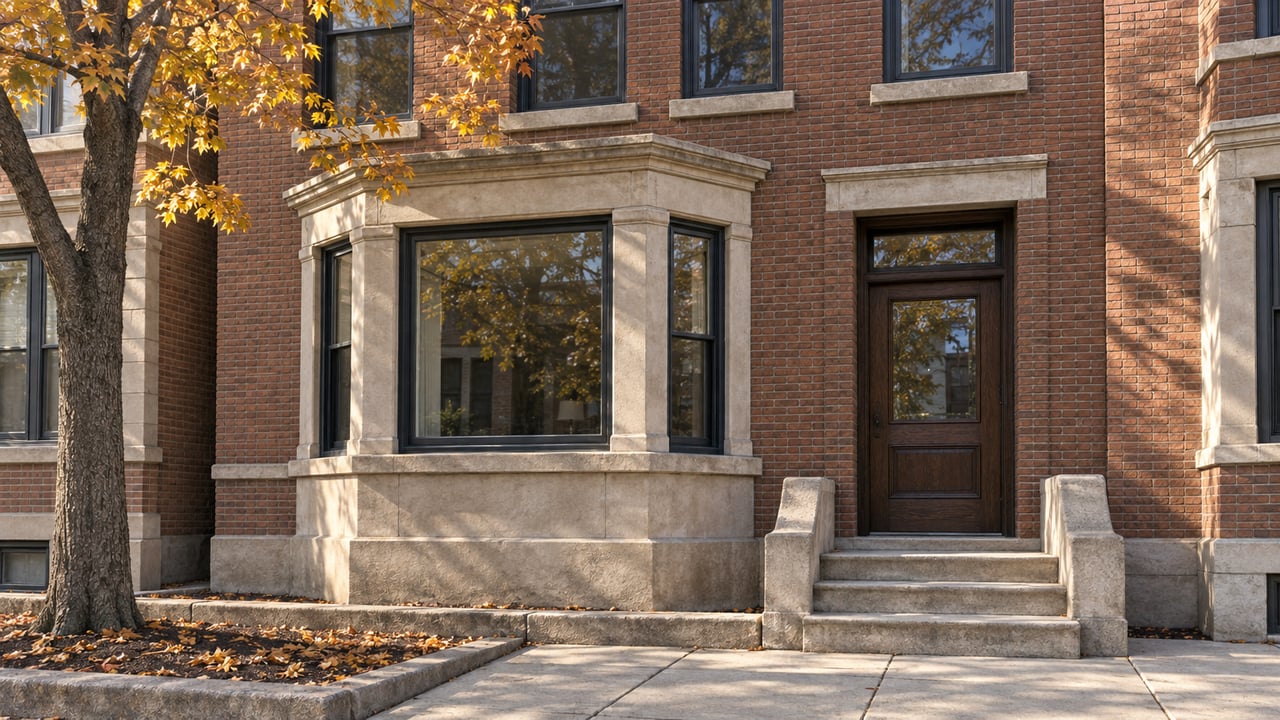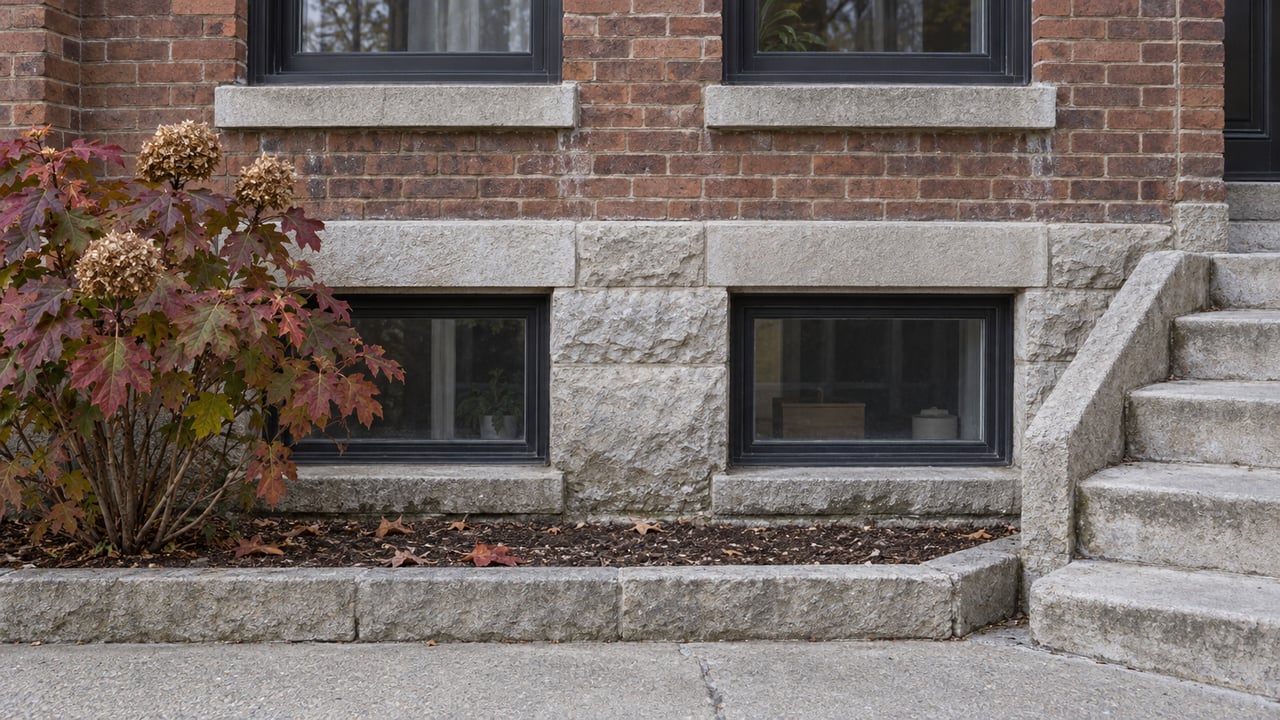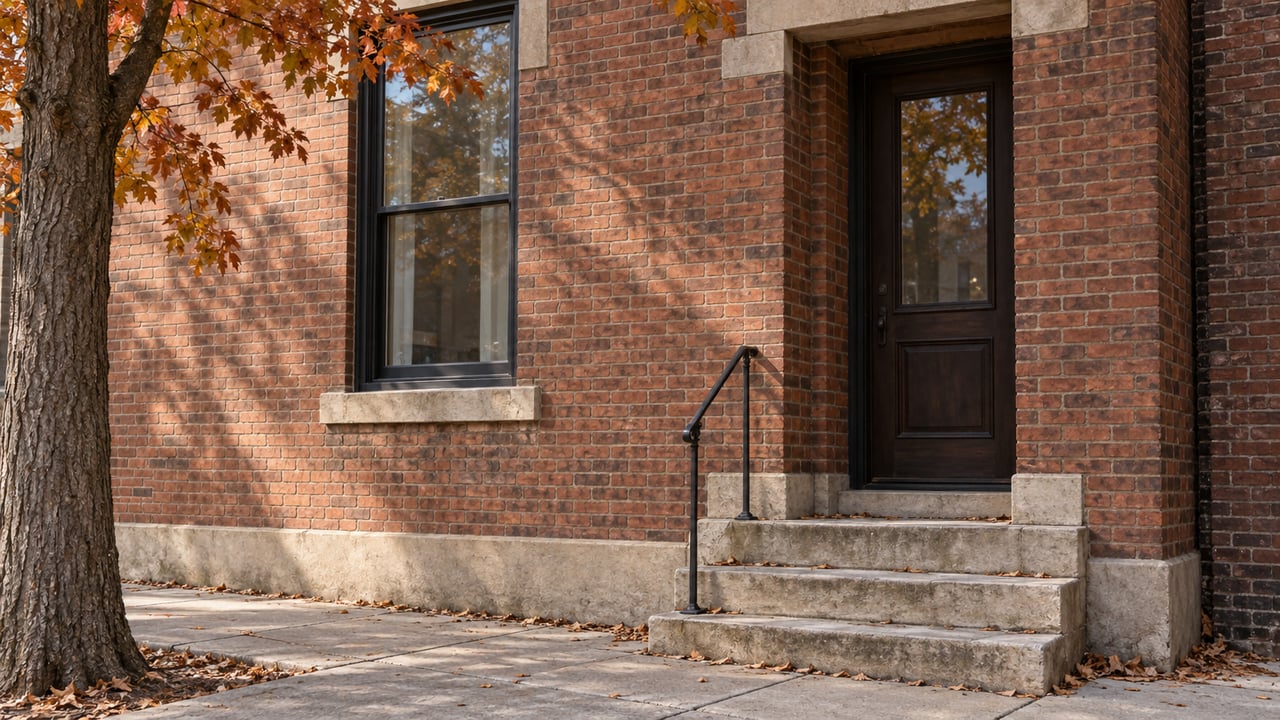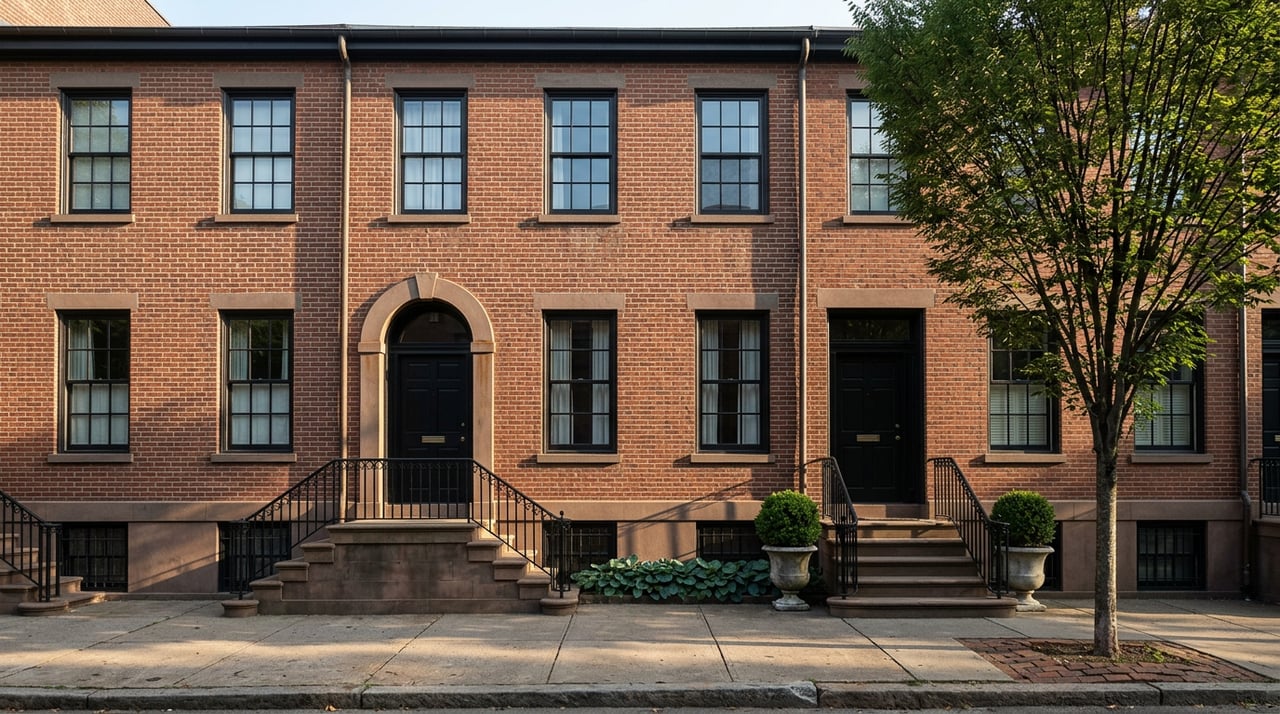
A buyer under contract on a Lincoln Park two-flat calls her contractor to get a renovation bid locked in before closing. The contractor asks one question before he'll quote a number: is the building inside a landmark district. She checks the listing. It says "historic Lincoln Park." That answer does not identify which designation applies. Lincoln Park contains three separately named historic designations, but only two are city landmark districts: Wikipedia identifies Mid-North as one, and the City of Chicago identifies Arlington-Deming as the other. Preservation Chicago notes that one block of the third also has local landmark protection.
The gap between those two and the third is not a technicality. It can affect how renovation work is reviewed and planned. Anyone comparing Lincoln Park properties for a value-add project needs to know which of the three they are looking at before they price the job.
Three Names, Two Rulebooks
The Mid-North District and the Arlington-Deming District are both true Chicago Landmark Districts. The City Council adopted Mid-North's designation on August 31, 1977, covering the area bounded by Fullerton Avenue, Armitage Avenue, Lincoln Avenue, and Clark Street. Arlington-Deming sits just north of Fullerton, a stretch of freestanding houses, row houses, and apartment buildings that once housed department-store magnate William Wieboldt, among others. Both districts fall under the Commission on Chicago Landmarks, which reviews permit applications for exterior work visible from the public right-of-way.
The Sheffield Historic District is a different animal entirely. It was added to the National Register of Historic Places on January 11, 1976, which sounds like the same kind of protection. It is not. A National Register listing is largely honorary at the municipal level. The Illinois Department of Natural Resources says it does not, by itself, require Commission review before you touch a facade, a roofline, or a window.
| Designation | What it actually covers | Who reviews renovation work | Typical review timeline |
|---|---|---|---|
| Mid-North District | Fullerton to Armitage, Lincoln to Clark | Commission on Chicago Landmarks | 2 to 6 weeks staff-level; 6 to 12+ weeks for a full Commission hearing |
| Arlington-Deming District | North of Fullerton, centered on Arlington Place and Deming Place | Commission on Chicago Landmarks | 2 to 6 weeks staff-level; 6 to 12+ weeks for a full Commission hearing |
| Sheffield Historic District | National Register boundary, most of the DePaul-adjacent area | No local Commission review, except one block | None, except the single landmarked block |
The Summer Lincoln Park Fought Over Its Own Houses
The reason Sheffield's protection is so thin traces back to a specific dispute. In the spring of 2004, a group of residents near DePaul University, alarmed at how quickly Victorian-era houses were coming down for new construction, partnered with the nonprofit Preservation Chicago to push for a full city landmark district covering the Sheffield area. The idea split the neighborhood. Some residents wanted the protection. Others did not want the added review layer on their own properties. The disagreement got heated enough that Preservation Chicago later described it as a genuine fight over the character of the block.
Teardowns continued through that summer regardless of the National Register status Sheffield had held since 1976, because that federal listing never carried local permit authority. By the time the dust settled, only the 2100 block of North Bissell Street, a run of attached rowhouses that was structurally the least likely candidate for demolition in the first place, received actual City Landmark protection, on September 5, 2007. Everything else in the Sheffield National Register boundary kept the name and lost the argument for the added review.
That history is not trivia. It explains why a property two blocks apart in what a listing calls "Sheffield" can face completely different renovation timelines depending on which side of Bissell Street it sits on.
What Actually Triggers a Call to the Landmarks Commission
Inside Mid-North and Arlington-Deming, the trigger is narrower than most buyers assume. Chicago's own landmarks guidance is specific: for most districts, the protected features are the exterior elevations visible from the public right-of-way. Interior work, in a building that has not been individually designated with protected interior features, is not something the Commission reviews at all. A full kitchen gut, a bathroom relayout, or an open-concept wall removal inside a Mid-North greystone generally proceeds on the same permit track as any other Chicago renovation.
What does get flagged:
- Window replacement on a street-facing elevation
- Facade repair, tuckpointing, or masonry work visible from the street
- Roofline changes, dormers, and rooftop additions visible from the public way
- New construction, additions, and any demolition proposal
- Fences, signage, and storefronts on commercial-adjacent buildings
The City of Chicago's Landmarks Q&A says routine maintenance, like repainting trim in the original color, does not require a building permit at all. The city reviews roughly 2,000 landmark-related permits a year, and most of those are approved by staff in 2 to 6 weeks. The exceptions, the ones that stretch to 6 to 12 weeks or longer, are new construction, significant additions.
What This Means If You're Comparing Blocks
Lincoln Park sees a heavy volume of renovation activity across the board. City permit data shows roughly 650 building permits filed across the Lincoln Park community area in the twelve months ending in July 2026, with an average estimated construction value near $389,000 per permit. Most of that volume is not subject to any landmark review at all, because most of Lincoln Park sits outside all three designations. The friction only shows up once you're inside Mid-North, Arlington-Deming, or that one block of Bissell Street.
Before writing a renovation budget or a timeline into an offer, confirm the property's actual status with the Historic Preservation Division rather than relying on a listing description or a neighborhood nickname. The difference between "in a landmark district" and "in a neighborhood with a historic-sounding name" is the difference between a 2 to 6 week staff approval and a project that never needed Commission review in the first place.
Common Questions
Does a National Register listing affect my ability to renovate? Generally no, unless the specific block also carries local City of Chicago Landmark status. National Register listing can matter for federal tax credit eligibility on income-producing buildings, but it does not by itself trigger Commission permit review.
Do I need approval for interior work in a landmark district? In most cases, no. Review applies to exterior features visible from the public way. Interior renovations proceed through the standard building permit process unless the building has individually designated interior features.
Does landmark designation hurt resale value? City-commissioned studies have found designation does not carry a negative effect on property value, and it does not directly change how the Cook County Assessor values the property or the tax rate applied to it.
If you're weighing a Lincoln Park greystone against a similar building a few blocks away, the address matters more than the neighborhood name on the listing. The Joe Kotoch Group works through exactly this kind of due diligence with buyers and investors before an offer goes in, confirming landmark status, mapping realistic renovation timelines, and pricing the actual regulatory path rather than the assumed one. Start a Strategic Conversation before you write a rehab budget around a name instead of a fact.
This article is general information, not legal, tax or financial advice. Consult a qualified professional about your situation.