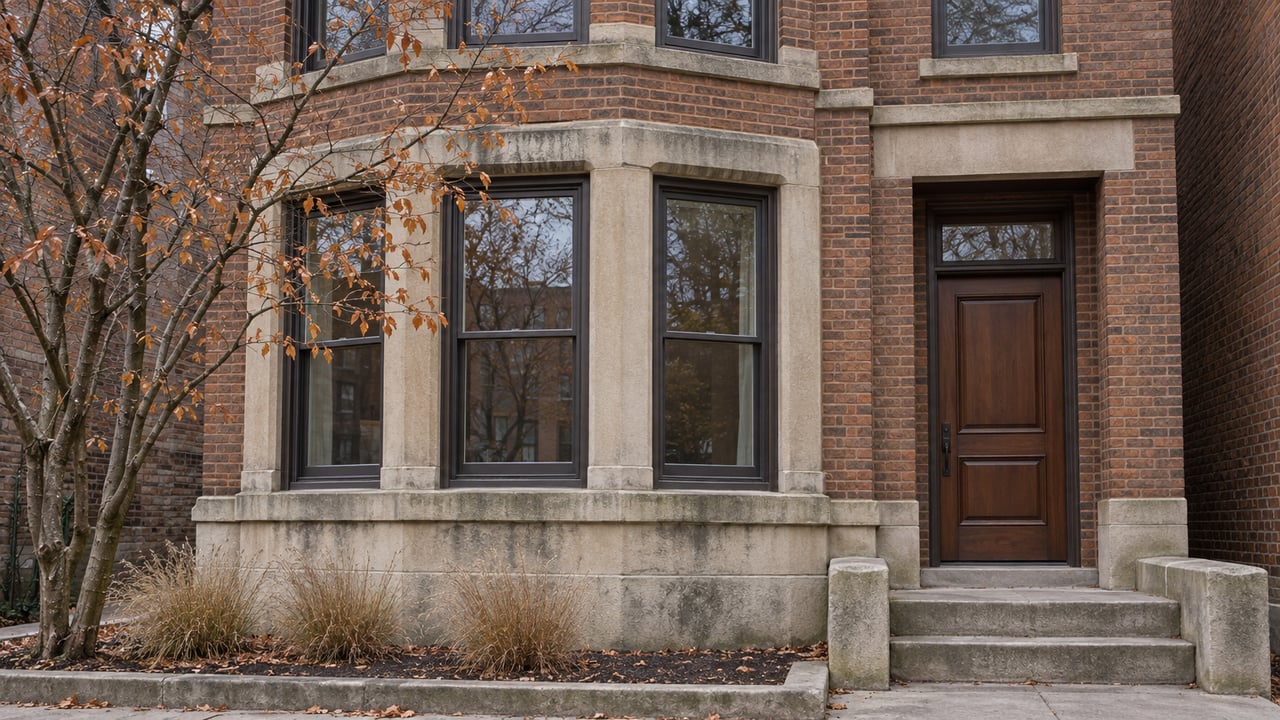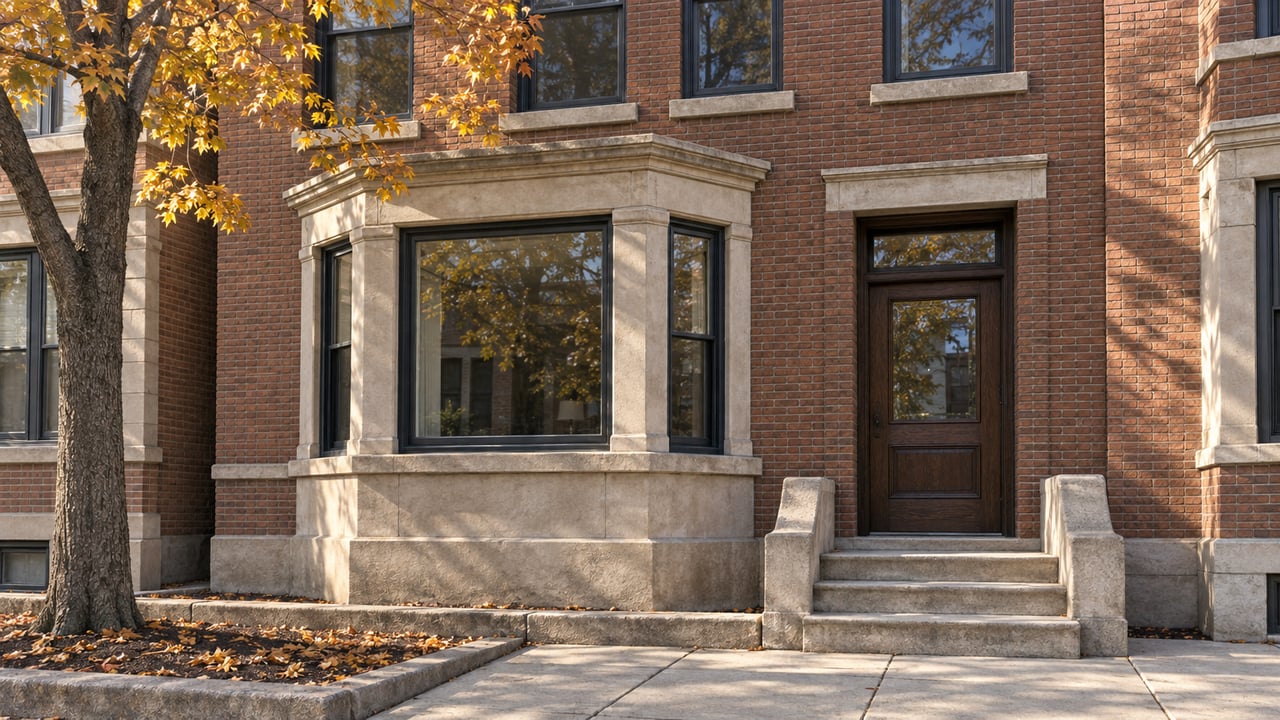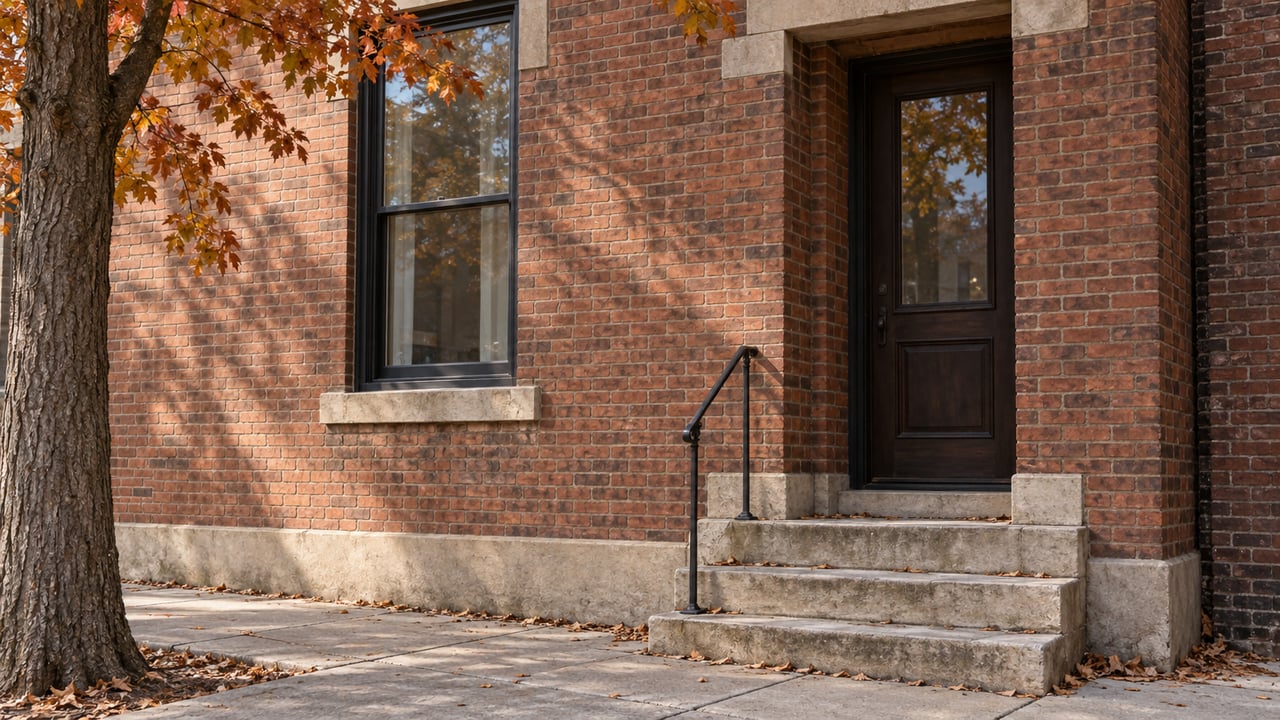
Wondering why two homes in Lakeview can feel worlds apart even when they are only minutes from each other? That is the reality of this North Side neighborhood. If you are trying to buy in Lakeview, it helps to think less about one big neighborhood and more about a set of distinct micro-pockets with different daily rhythms. This guide will help you compare Southport, Wrigleyville, and the lakefront edge so you can focus on the part of Lakeview that fits how you actually want to live. Let’s dive in.
Why Lakeview Feels So Different
Lakeview is not one single streetscape. It is a broader neighborhood made up of smaller pockets, including areas like Southport Corridor, Wrigleyville, Lakeview East, and West Lakeview. Across the neighborhood, you get a shared North Side identity, walkability, shoreline access, and strong CTA connectivity.
What changes from pocket to pocket is the experience outside your front door. One area leans more residential and boutique-oriented, another centers on year-round entertainment, and another is shaped by outdoor recreation along the lake. For buyers, that difference matters as much as square footage or finishes.
Southport Corridor at a Glance
Southport Corridor offers one of the most neighborhood-first feels in Lakeview. The area is known for boutique shops, restaurant patios, and tree-lined residential blocks that give the corridor a village-scale character within the city. Seasonal activity across the broader neighborhood also adds to the appeal, including outdoor festivals, farmers markets, and summer concerts.
The dining mix here tends to support everyday living rather than only nightlife. Along Southport Avenue, you will find a blend of casual restaurants, chef-driven spots, and local gathering places. That creates a walkable routine that can feel steady and approachable from morning through evening.
What daily life feels like in Southport
If you picture coffee, errands, dinner, and an easy walk home on residential side streets, Southport is often the strongest match. It has a calmer street pattern than the stadium area and a more retail-driven feel than the lakefront. For many buyers, that balance is the draw.
This pocket can be especially appealing if you want convenience without constant event traffic. You still get energy and activity, but it is generally tied to neighborhood retail and dining rather than large venue crowds. That difference tends to shape the pace of daily life.
Southport transit access
Transit is simple and useful here. The CTA Southport Brown Line station is located at 3411 N. Southport Ave., between Belmont and Addison near Roscoe. The Brown Line runs daily from Kimball to downtown, which helps connect this pocket to the Loop and other North Side neighborhoods.
For buyers who rely on transit, that can make Southport feel both local and well connected. You get a pocket with a distinct identity, but you are not isolated from the rest of the city.
Wrigleyville at a Glance
Wrigleyville is Lakeview’s entertainment hub. It is home to historic Wrigley Field, a ballpark that dates to 1914 and has served as the Cubs’ home for more than a century. Around the stadium, the streetscape is defined by sports bars, restaurants, souvenir shops, and year-round activity centered on Clark Street and nearby blocks.
This is the pocket for buyers who want visible energy. Even outside baseball season, the area remains active thanks to dining, nightlife, and event programming. If Southport feels like a neighborhood shopping street, Wrigleyville feels like a gathering zone.
What daily life feels like in Wrigleyville
Wrigleyville is built around movement, crowds, and entertainment. Gallagher Way adds to that with farmers markets, outdoor concerts, film screenings, and winter ice skating. The result is a pocket where the atmosphere can shift quickly depending on the day, the season, or the event calendar.
That energy can be a major plus if you want excitement nearby. It can also mean a more variable street pattern, especially around home games and major events. Buyers considering this area should think honestly about whether they want that kind of rhythm on a regular basis.
Wrigleyville transit and game-day logistics
Transit is one of Wrigleyville’s biggest practical strengths. The CTA Addison Red Line station is at 940 W. Addison St., and the Red Line provides 24-hour train service between Howard and 95th/Dan Ryan. For weekday evening Cubs home games, certain Purple Line Express trains also stop there.
Game-day activity also comes with neighborhood management measures. The Cubs and the City of Chicago maintain a neighborhood protection program focused on parking, traffic, public safety, off-street parking, and litter collection around Wrigley Field. For buyers, that is an important reminder that this pocket is active, but it is also an area where event logistics are a constant part of planning.
The Lakefront Edge at a Glance
The lakefront side of Lakeview feels different from both Southport and Wrigleyville. Instead of being organized around a shopping corridor or a stadium district, this pocket is shaped by shoreline access and outdoor movement. If you want your routine to include walking, running, biking, or time near the water, this area often stands out.
The Chicago Park District describes the Lakefront Trail as a daily route for commuters, marathon trainers, parents with strollers, tourists on bikes, and casual walkers. The trail runs from Ardmore Avenue to 71st Street, and since 2018 it has been split into separate bike and pedestrian trails. That makes the lakefront feel less like a commercial strip and more like a recreation spine.
What daily life feels like near the lake
For many buyers, the biggest draw here is not retail right outside the door. It is access to open space, waterfront views, and a built-in outdoor routine. The mood can feel more activity-based, with the trail and shoreline shaping how people move through the area day to day.
Belmont Harbor adds another layer to that lifestyle. Located at 3600 North Recreation Drive within Lincoln Park, it is one of 10 harbors along Chicago’s 14 miles of shoreline. Across those harbors, there is space for more than 6,000 boats, and the harbor season runs from May 1 to October 31.
Lakefront buyers should think about rhythm
If you care most about direct access to the trail, harbor amenities, and shoreline recreation, the lakefront edge may be the best fit. This pocket often appeals to buyers who want their neighborhood experience shaped by outdoor habits rather than restaurant density or event traffic.
That does not mean it lacks convenience. It means the core lifestyle value is different. You are choosing a routine centered more on movement and open space than on a single commercial corridor.
Comparing the Three Pockets
Each of these Lakeview micro-pockets offers strong access and a recognizable identity. The best choice usually comes down to what kind of street life you want to experience most often.
| Micro-pocket | Best fit for | Defining feel | Key transit note |
|---|---|---|---|
| Southport Corridor | Buyers seeking a neighborhood-first lifestyle | Boutique retail, patios, residential side streets | Southport Brown Line station |
| Wrigleyville | Buyers who want energy and event activity | Stadium district, bars, gathering spaces | Addison Red Line station |
| Lakefront edge | Buyers who prioritize outdoor access | Trail, harbor, shoreline recreation | Transit-rich Lakeview with access across the neighborhood |
How to Choose the Right Fit
A helpful way to narrow your search is to think about your weekday routine first. Where do you want to grab dinner on a Tuesday? How much do you value a quieter residential block versus visible activity? Do you want your free time to revolve around restaurants, events, or the lakefront?
You should also think about how predictable you want your block to feel. Southport generally offers the steadiest neighborhood rhythm. Wrigleyville brings the most variation. The lakefront edge often appeals most to buyers who want outdoor access to shape daily life.
For many Lakeview buyers, the decision is less about whether the neighborhood works and more about which version of Lakeview works best. That is where local guidance matters. A pocket-by-pocket search can save time and help you focus on homes that fit your lifestyle, not just your budget.
If you are comparing Lakeview micro-pockets and want a more strategic read on where your search should start, the Joe Kotoch Group can help you evaluate the block-by-block differences that matter most.
FAQs
What is the difference between Southport and Wrigleyville in Lakeview?
- Southport generally offers a more neighborhood-focused mix of boutique retail, patios, and residential side streets, while Wrigleyville centers on Wrigley Field, bars, events, and heavier entertainment activity.
What is the best Lakeview pocket for outdoor access?
- The lakefront edge is the strongest fit if you want close access to the Lakefront Trail, Belmont Harbor, and a daily routine shaped by shoreline recreation.
What is the best Lakeview pocket for transit access?
- All three benefit from Lakeview’s strong CTA access, with the Southport Brown Line and Addison Red Line serving key pockets and making it easier to reach downtown and other North Side neighborhoods.
Is Wrigleyville active outside baseball season?
- Yes. In addition to stadium activity, Wrigleyville includes year-round gathering spaces and events such as markets, concerts, film screenings, and winter programming at Gallagher Way.
Why should buyers think in micro-pockets when searching Lakeview?
- Because Lakeview changes noticeably from one area to the next, and the biggest difference is often the street life and daily rhythm outside your front door rather than overall connectivity.