Two people who both want to buy in Avondale this month will pull up different websites and walk away with opposite convictions. One checks Zillow and concludes the neighborhood is cooling. The other checks Redfin and concludes it is on fire. Both are looking at real, current data about the same handful of square miles between the Kennedy Expressway and the North Branch of the Chicago River. Neither is wrong. Neither is telling the whole story either.
As of late May 2026, Zillow's Home Value Index put the typical Avondale home at $445,144, down 3.8% from a year earlier. Around the same time, Redfin's own tracking showed the average Avondale house price at $635,000, up 13.4% year over year. Homes.com's June 2026 snapshot landed somewhere in between: a median home price of $550,000 and an average sale price of $613,309. Three sources, three timeframes within weeks of each other, three different markets described.
If you're comparing Avondale against Logan Square, Bucktown, or another North Side option and you're using any single one of these numbers to make that comparison, you're anchoring to noise. The actual mechanism behind the split matters more than any of the individual figures, and it changes how you should read a listing price the moment you understand it.
The Same Neighborhood Is Two Different Housing Markets
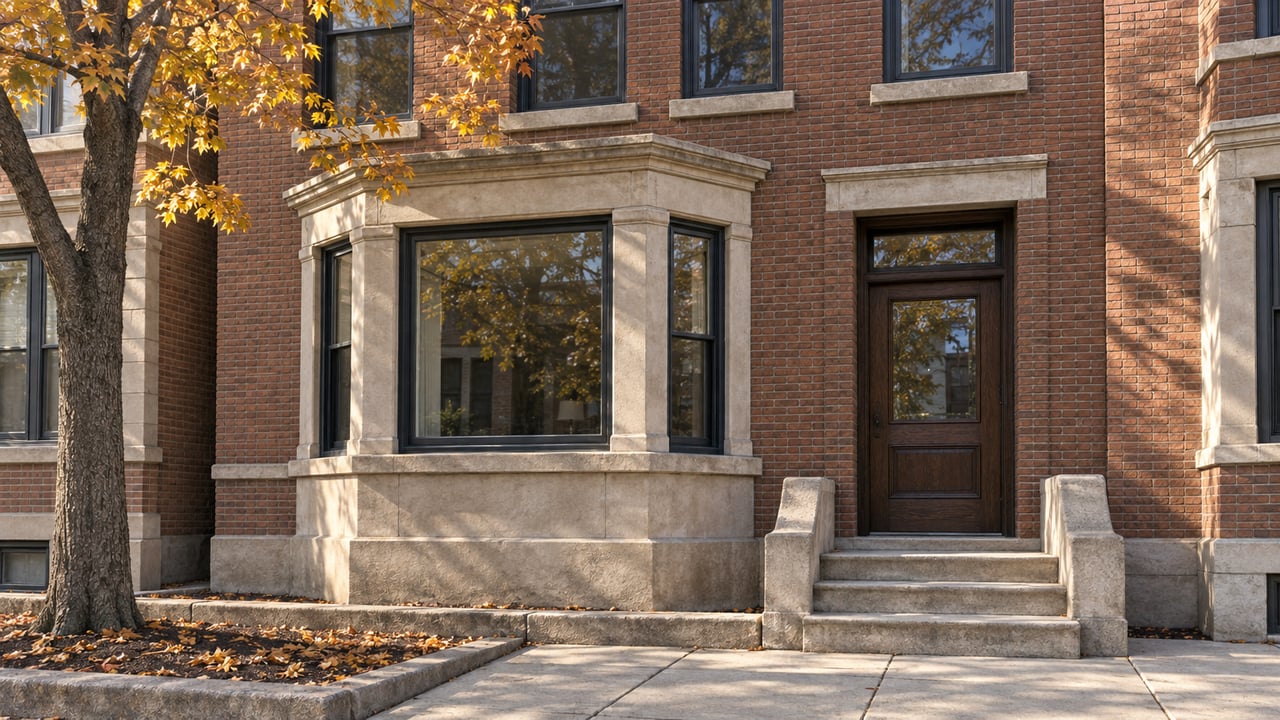
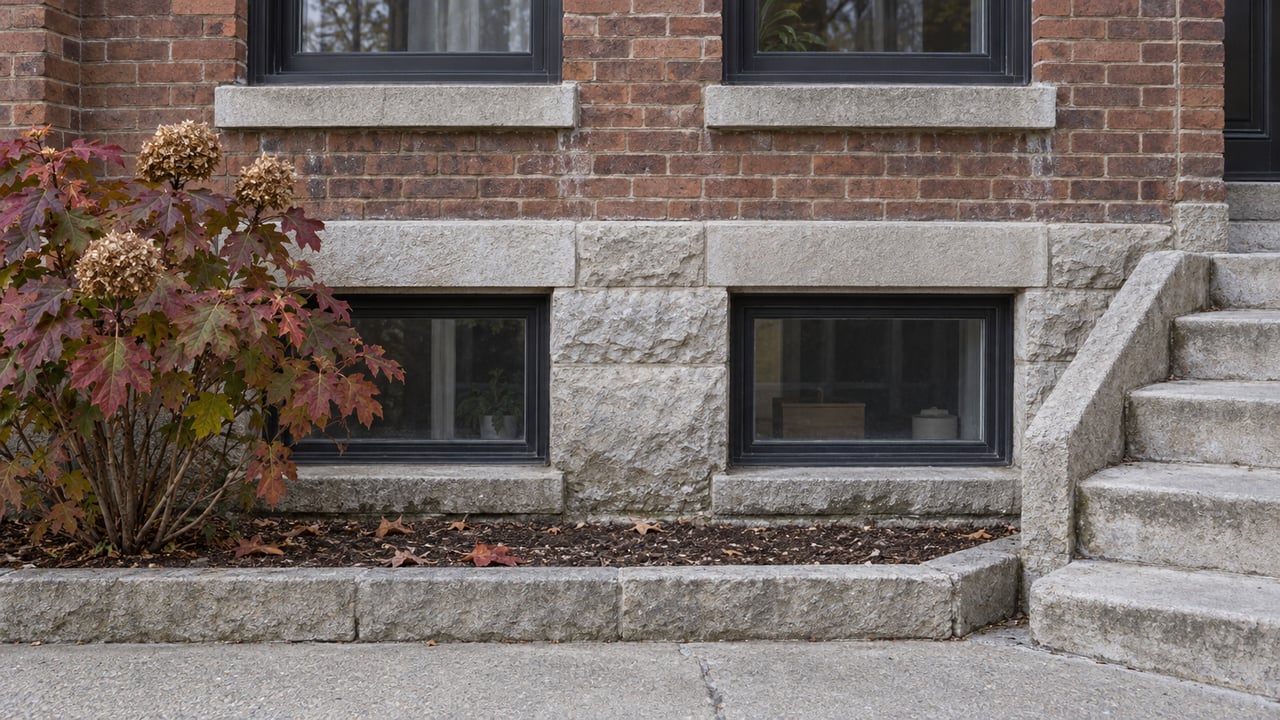
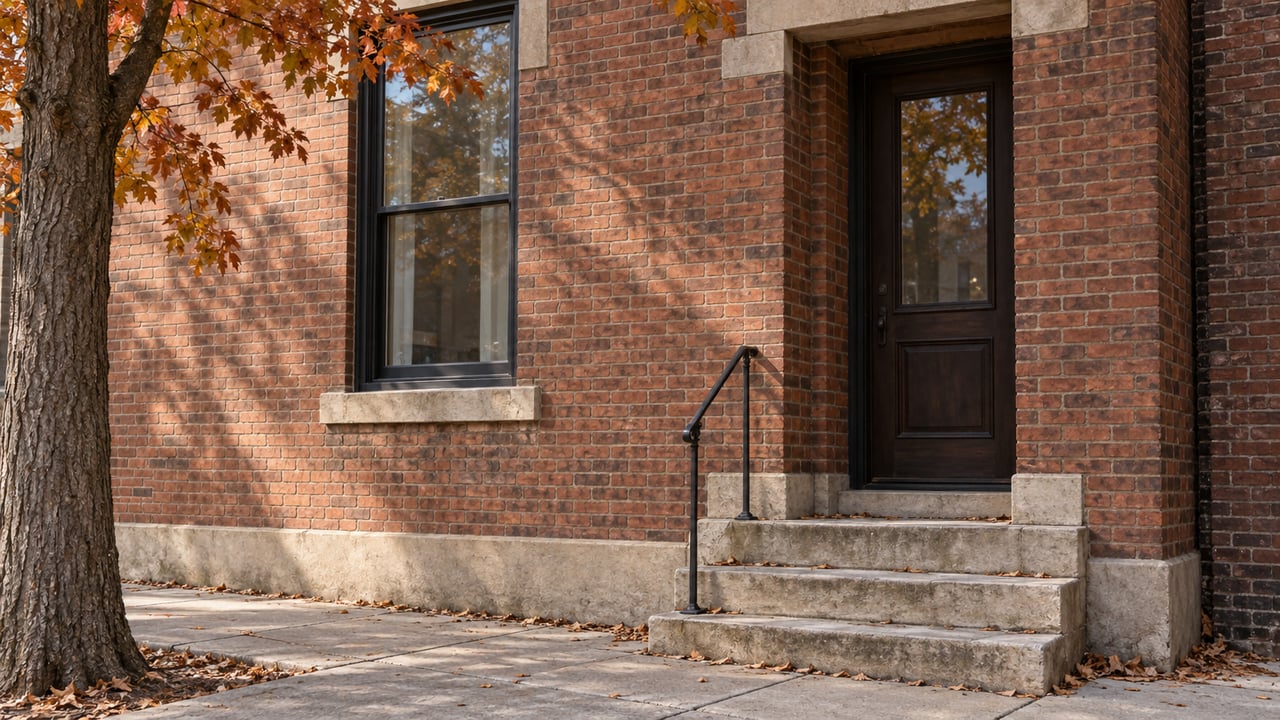
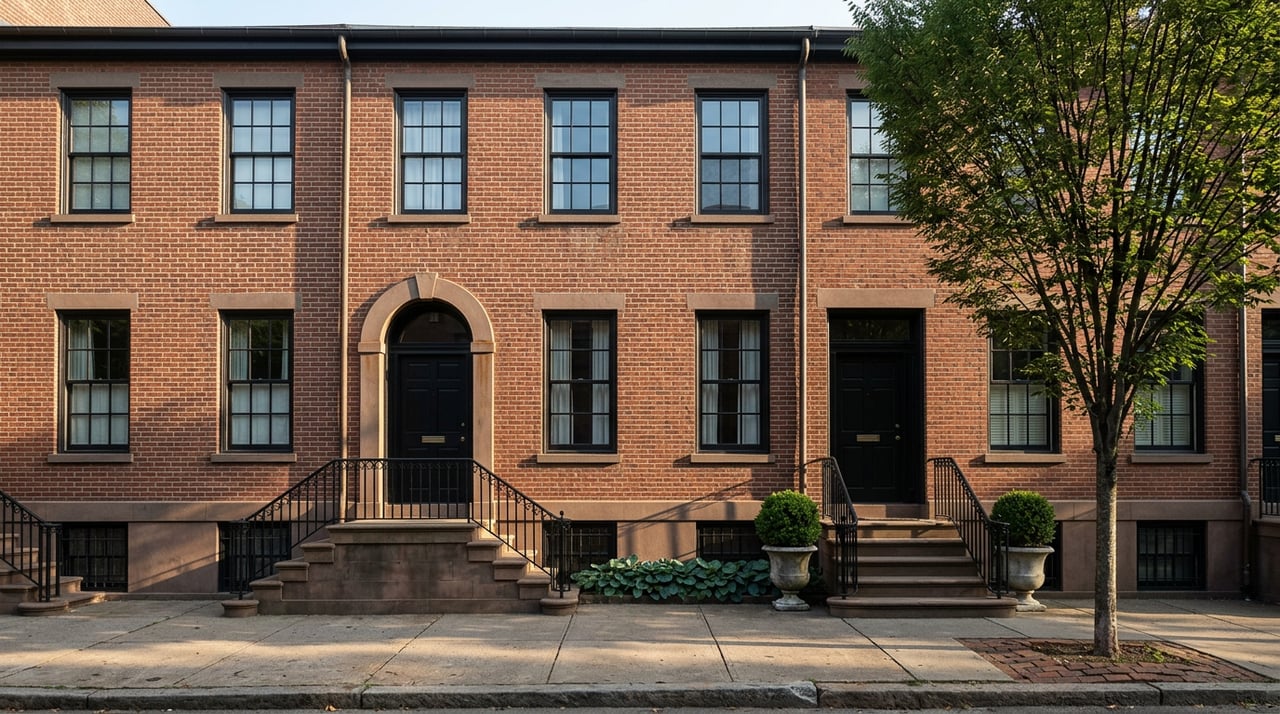
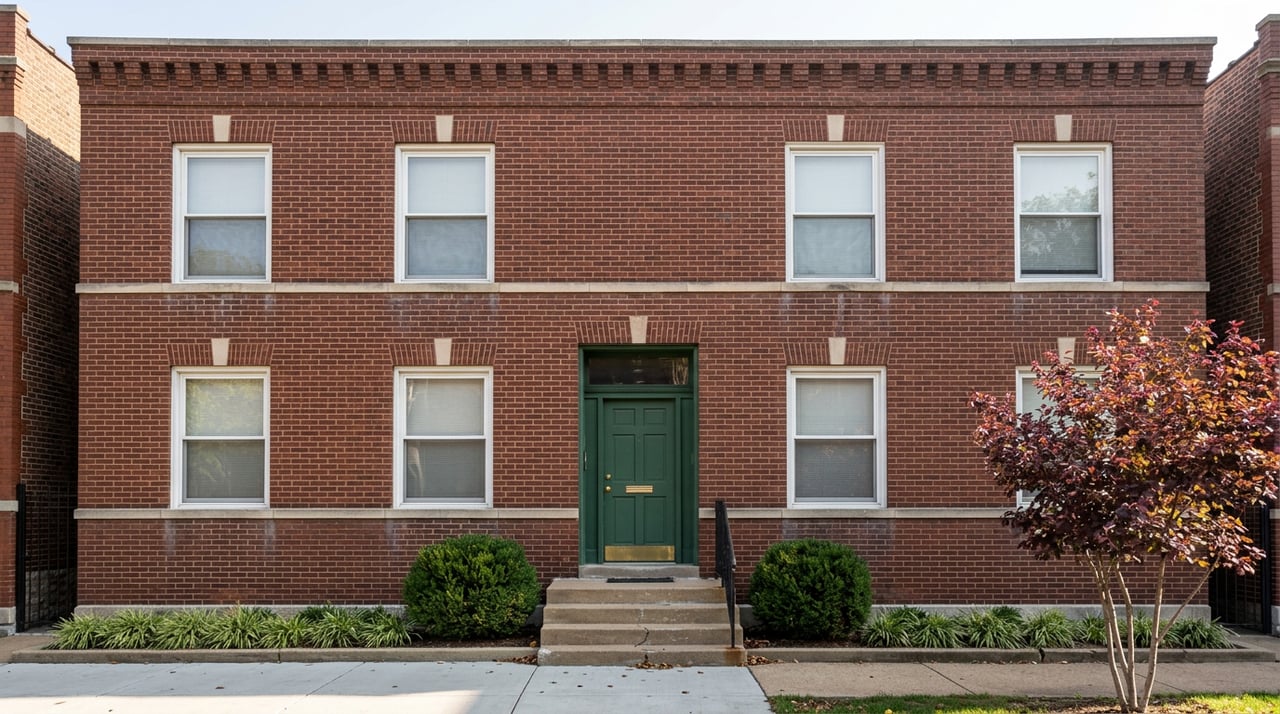
Avondale's housing stock did not get more expensive uniformly. It split. Walk the blocks around Kosciuszko Park or through the Jackowo and Waclawowo sections and you'll find the classic Chicago two-flat and three-flat stock that has defined this neighborhood since its industrial days, brick and frame buildings priced well under $500,000 and still trading close to that range today. A few blocks away, particularly along the corridors feeding Milwaukee Avenue, you'll find gut-rehabbed single-families and new construction pushing past $900,000 and occasionally over $1 million.
Homes.com's June 2026 count of active multi-family listings in Avondale makes the split visible in a single data point: 33 properties on the market ranging from $370,000 to $1,999,900. That is not a tight distribution around a median. That is two markets sharing a zip code.
| Source | Snapshot date | Headline figure | Direction |
|---|---|---|---|
| Zillow (ZHVI) | Late May 2026 | $445,144 typical value | Down 3.8% year over year |
| Redfin | Summer 2026 | $635,000 average house price | Up 13.4% year over year |
| Homes.com | June 2026 | $550,000 median, $613,309 average sale | Up year over year |
This kind of divergence shows up clearly when you break sales down by property type instead of averaging everything together. Earlier this year, the neighborhood's own month-over-month tracking captured an April where overall sale volume jumped 133.3% and the blended median rose 74.8% to $665,000. But inside that same month, single-family home sales rose 200% in volume with a median of $996,900, up 32.5%. Condo sales rose 62.5% with a median of $599,900, up 84.9%. Townhouse sales actually declined. Three property types moved in three different directions and at three different speeds, and the blended number that got reported was a mix of all of it, meaning it described none of it precisely.
Why This Matters More Than a Data Curiosity
If you're a buyer or an investor working off a headline median, you carry that number into every conversation you have about a specific property. You compare an asking price to "the Avondale median" and conclude a listing is priced high or priced right, when the actual comparison you need is to properties of the same type, same unit count, and same renovation condition within a few blocks.
This is where the mix effect becomes a real transaction risk. A buyer targeting a vintage two-flat who anchors to a median inflated by new-construction singles will underbid and lose properties they should have won. An investor underwriting a 2-6 unit value-add deal who anchors to a median dragged down by a wave of smaller condo closings will overestimate their exit value and misjudge the deal's margin. Neither error comes from bad math. It comes from treating a blended number as if it described a single market.
For anyone sourcing small multifamily in Avondale specifically, the practical fix is to pull comps at the unit-count level, not the neighborhood level. A 2-flat comps against 2-flats. A gut-rehabbed single-family comps against other recent rehabs, not against the frame two-flat three doors down that hasn't been touched since the 1960s.
The Neighborhood Behind the Numbers
The reason Avondale's stock split this way isn't abstract. It's tied to where money has actually been flowing into the neighborhood over the past several years, and that flow is visible if you know where to look.
Rockwell on the River, the three-acre riverfront complex built out of a century-old tannery along the North Branch, is one example of Avondale's industrial-to-amenity conversion. The complex holds a coffee roastery, a distillery, a marina, and event space inside restored industrial buildings. Its newest addition is notable for what it replaced: Phase Three Brewing Company signed a lease this month to open its first Chicago taproom at 3057 N. Rockwell St, taking over the space Metropolitan Brewing vacated in December 2023. That space had sat empty for over two years. Its reactivation is a small, concrete sign of renewed activity at the complex. Rehab and new-construction prices have risen in pockets near the river and Milwaukee Avenue, while the older housing stock further from those anchors holds closer to its historical price band.
That's the physical explanation for the bimodal price data. The neighborhood's Blue Line access at the Belmont and Addison stops, its position along a revitalized stretch of river, and its proximity to Logan Square's established dining and retail scene make it attractive for exactly the kind of buyer who will pay a premium for a finished product. Meanwhile the deeper residential blocks, where small businesses shape the area, haven't repriced at the same rate. Both markets are real. They just aren't the same market, and no single median can describe both honestly.
How to Read Avondale's Price Data If You're Actually Buying
Three practical adjustments follow from all of this.
First, ask which property type any published number is actually describing before you use it. A "median home price" that blends single-families, two-flats, and condos will always undersell or oversell whatever specific property you're evaluating.
Second, treat wide published ranges as information rather than noise. When active multifamily listings span $370,000 to nearly $2 million in one neighborhood, that range is telling you the neighborhood contains distinct sub-markets, and your job is to figure out which one your target property actually belongs to.
Third, weight recent local investment signals alongside the price data. A vacant commercial space getting reactivated, as Phase Three Brewing's taproom is doing at Rockwell on the River, tells you something about where confidence is flowing that a lagging price index may not yet reflect.
Questions Buyers Keep Asking About Avondale Pricing
Does the Zillow number mean Avondale prices are actually falling? Not uniformly. Zillow's index measures typical value across the entire housing stock, including older, untouched properties that haven't traded recently. A decline in that index can coexist with strong price growth in the rehabbed and new-construction segment, which is exactly what Redfin's closed-sale data is picking up.
Is Avondale still cheaper than Logan Square or Bucktown? For the older two-flat and three-flat stock, generally yes, based on the sub-$500,000 range still common in the neighborhood's residential core. For rehabbed or new single-family product near the river and Milwaukee Avenue corridor, the gap has narrowed considerably, with sales pushing well past $900,000.
What should I actually compare when I'm evaluating a listing? Recent closed sales of the same property type, similar unit count, and similar renovation condition within the same few blocks. A neighborhood-wide median is a starting point for context, not a benchmark for a specific offer.
If you're weighing Avondale against another North Side neighborhood, or you're trying to underwrite a specific 2-flat, 3-flat, or single-family rehab and want comps that actually match what you're buying, the Joe Kotoch Group works this exact kind of deal math every week. Start a Strategic Conversation before you write an offer based on a number that might not describe your property at all.