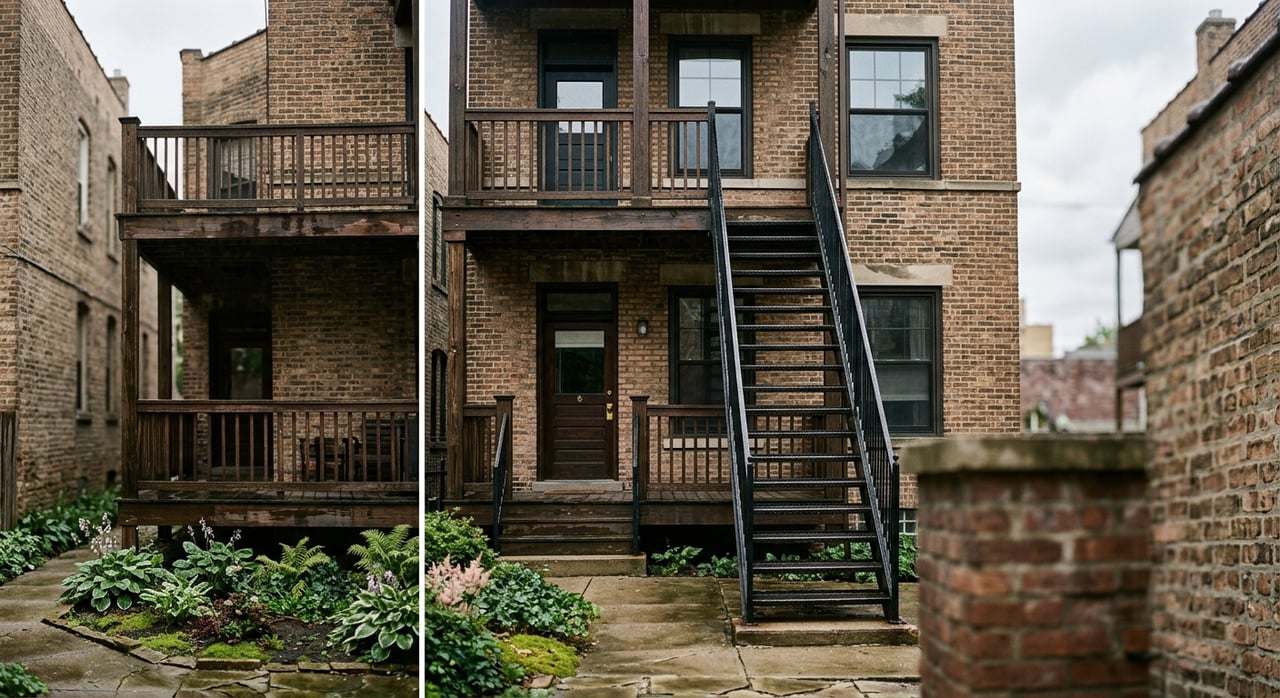
If you want to lower your housing cost while building long-term real estate upside, a two-flat in Ukrainian Village may deserve a serious look. This part of Chicago gives you something house hackers need: classic small multifamily housing, strong transit access, and rental demand that appears solid without reaching the highest nearby price points. In this guide, you’ll learn how the basic math works, what financing options can make a live-in purchase more realistic, and where vintage-building due diligence matters most. Let’s dive in.
Why Ukrainian Village Works
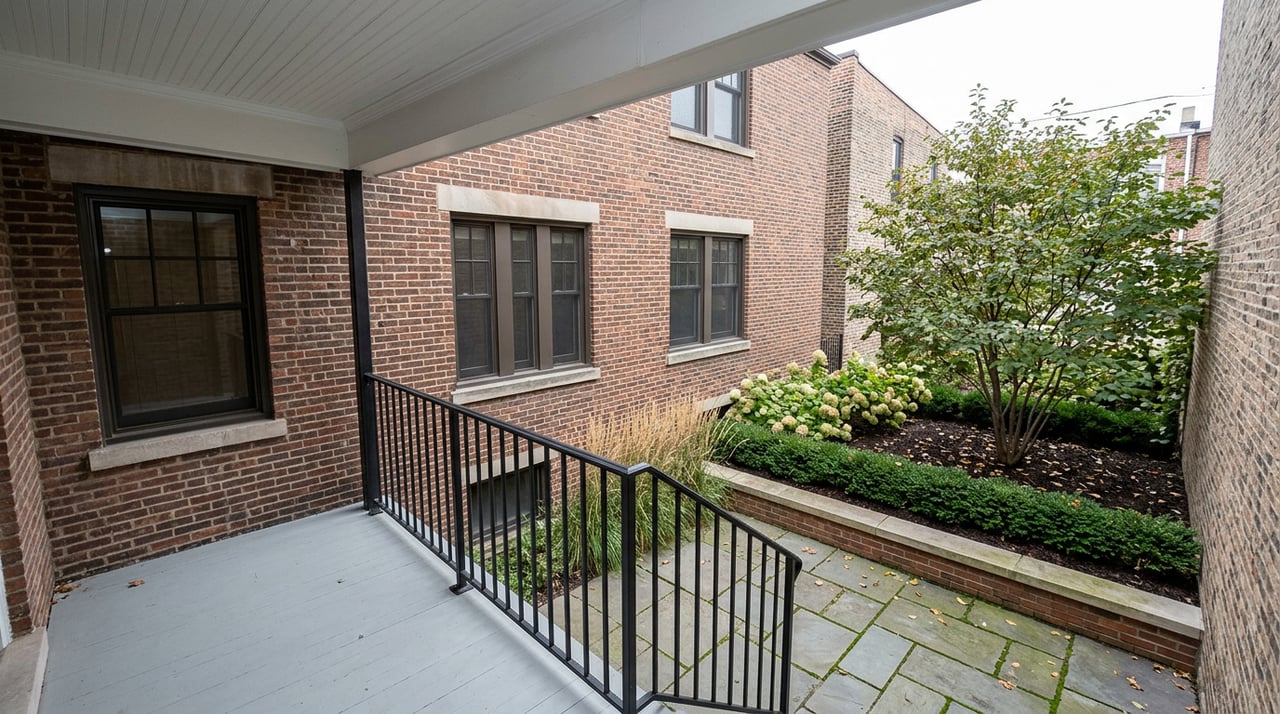
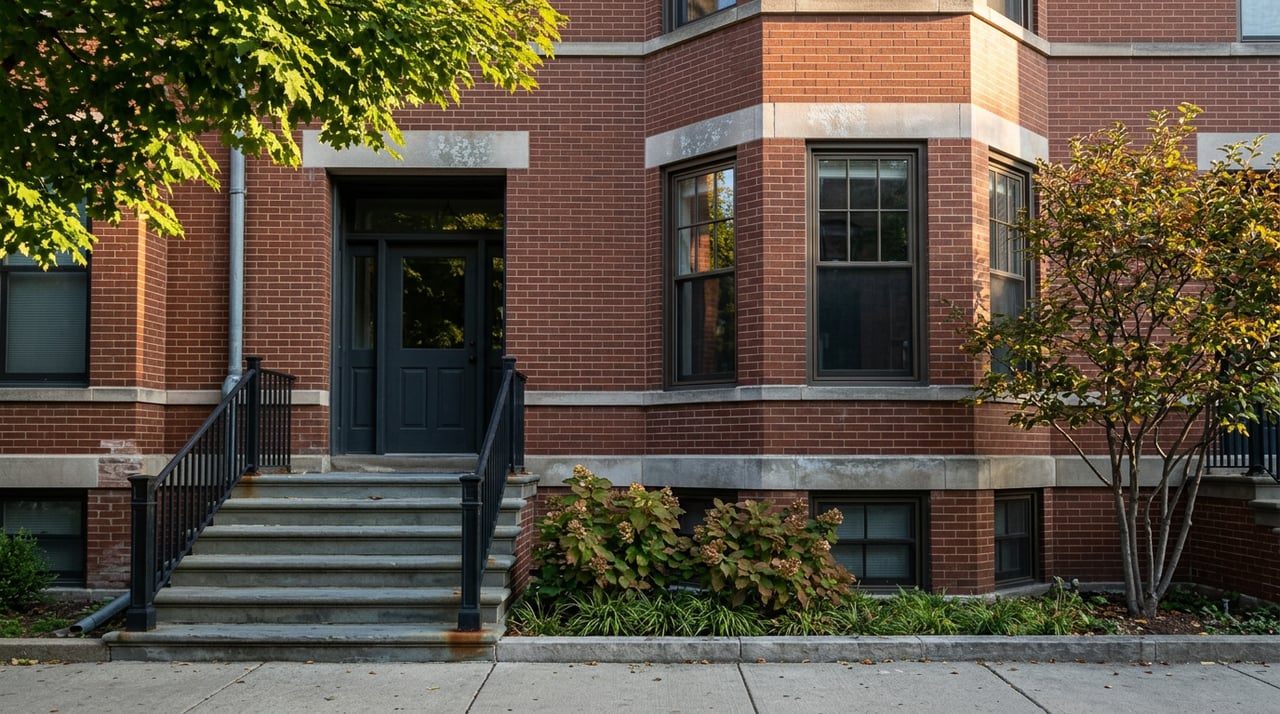
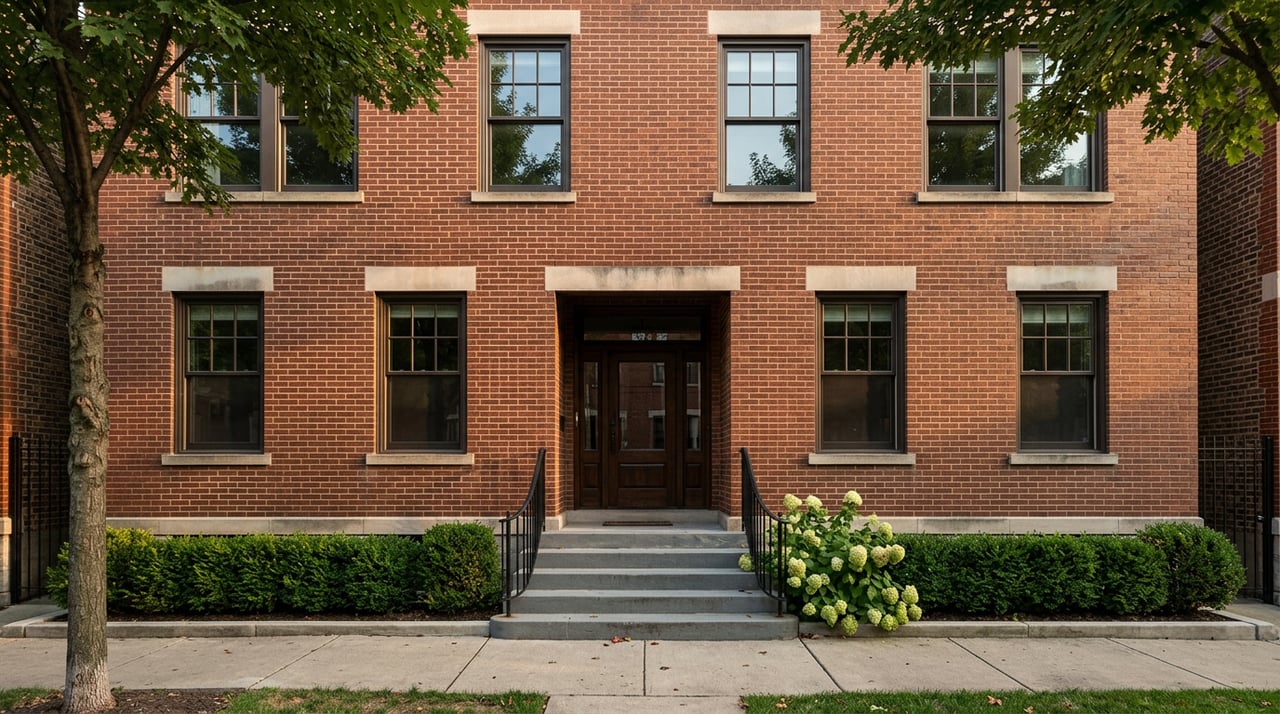
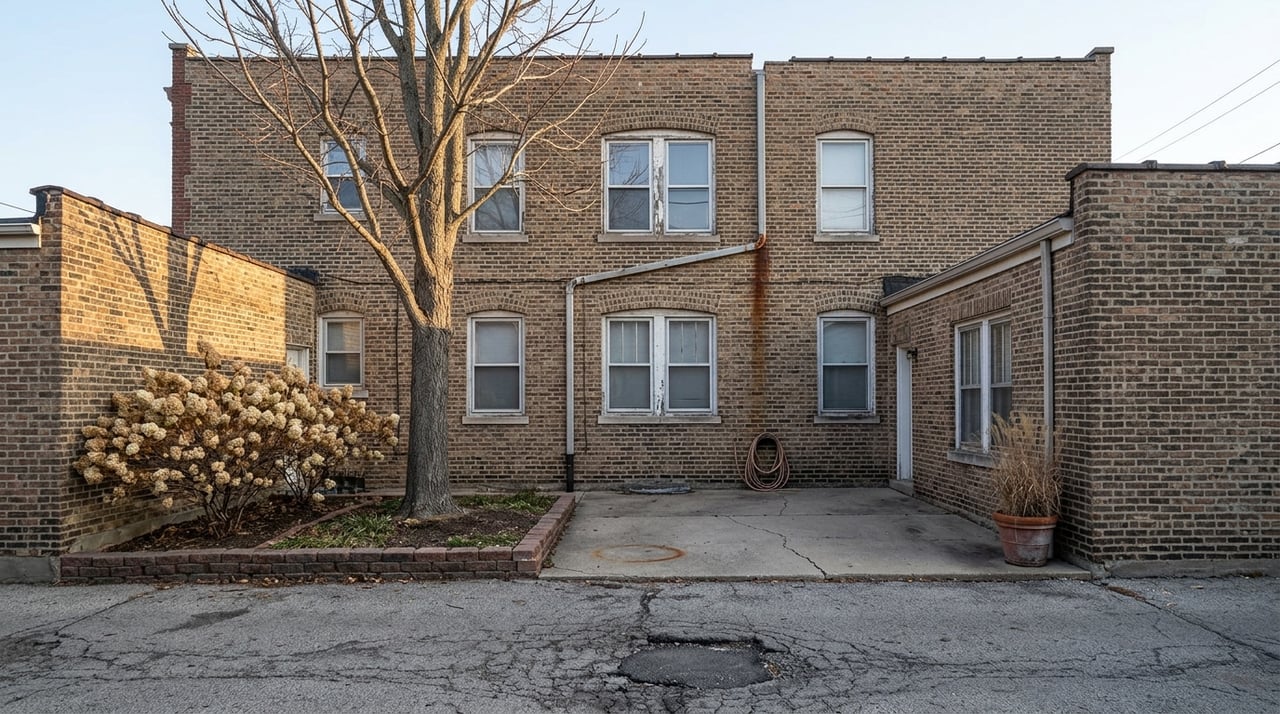
Ukrainian Village has the kind of housing stock that makes house hacking possible in the first place. Chicago’s landmark district materials describe the area as home to preserved worker’s cottages, two-flats, three-flats, and other vintage buildings tied to the neighborhood’s settlement history. For a buyer who wants to live in one unit and rent the other, that matters.
The area also offers real transportation value. The Division Blue Line station at 1200 N. Milwaukee has bus connections, the Blue Line runs 24 hours a day, and CTA bus service includes Route 66 plus broad coverage from Routes 9 and 49. For many renters, that kind of access can support demand because daily travel does not depend entirely on a car.
There is also a pricing angle worth noting. Realtor.com reports a neighborhood median rent of about $2,400 per month, while nearby areas such as Wicker Park and Bucktown can trend higher. That can make Ukrainian Village appealing to renters who want urban access and neighborhood character at somewhat lower monthly pricing.
What House Hacking Means
At its simplest, house hacking means you buy a property, live in one unit, and rent out the other unit to help offset your monthly carrying costs. In a two-flat, this usually means owner-occupying one apartment while collecting rent from the second unit. Later, some buyers keep the property as a full rental once they move on.
The appeal is straightforward. You are buying a primary residence, but the second unit may help reduce the out-of-pocket cost of ownership. That structure can also open the door to more favorable owner-occupied financing than you would usually get on a pure investment property.
Financing Basics For A Two-Flat
One of the biggest advantages of a true house hack is access to owner-occupied loan programs. According to Fannie Mae’s standard eligibility matrix, 2-to-4-unit principal residences can reach 95% loan-to-value, and Freddie Mac also shows 95% loan-to-value for a 2-unit primary residence. Both agency frameworks allow rental income from the non-owner-occupied unit to be considered in qualification under their 2-to-4-unit rules.
For many first-time buyers, FHA can also be part of the conversation. HUD states that FHA down payments can be as low as 3.5% on 1-to-4-unit properties. That lower entry point is a big reason house hacking remains attractive for buyers who want a live-in investment strategy but do not want to wait years to save a large investor-style down payment.
The key economic point is the gap between owner-occupied and investor financing. If a property is treated as an investment purchase, required cash can look much more like 25% down rather than 5%. That difference can completely change whether a deal feels accessible.
A Simple Cash Example
Using the neighborhood median listing price cited in the research, a $789,000 purchase gives you a clear example of how financing structure changes the upfront cash needed.
- 5% down: about $39,450
- 3.5% down: about $27,615
- 25% down: about $197,250
Those figures do not include closing costs, prepaid items, reserves, or any repair budget. Still, they show why many buyers focus first on whether a two-flat can qualify as their primary residence. The path you take on occupancy can matter just as much as the purchase price.
Can Rent Help You Qualify?
In many cases, yes. Fannie Mae and Freddie Mac both allow rental income from the non-owner-occupied unit to be used in qualification for eligible owner-occupied 2-to-4-unit properties. That does not mean every buyer will qualify the same way, but it does mean the second unit can play a real role in the loan conversation.
This is one reason two-flats remain so appealing for practical buyers. Instead of qualifying only on your own housing payment, you may be able to present a property where one unit is designed to produce income from day one. It is a very different framework from buying a single-family home or condo with no offsetting rent.
What Rent Looks Like In Ukrainian Village
When you underwrite a Ukrainian Village house hack, think in ranges, not a single magic number. RentHop’s May 2026 neighborhood data shows roughly $2,225 for one-bedroom units and about $2,350 for two-bedroom units. Realtor.com reports a neighborhood median rent of about $2,400 per month.
Those numbers are useful because they point to the same general band: the low-to-mid $2,000s for typical units. They are not identical, and that is exactly the lesson. Portal data can help you frame expectations, but it should not be treated as a precise comp set for your exact building.
For a quick example, if one unit rents for $2,350 per month, that is about $28,200 in annual gross rent. If both units eventually rent at that level, gross scheduled rent would be about $56,400 per year. Those are gross figures only, but they help illustrate how one rented unit can meaningfully offset ownership costs.
How To Underwrite Conservatively
A smart house hack analysis should stay simple and honest. Start with the purchase price and your likely down payment, then add closing costs. From there, estimate rent as a range rather than a fixed promise.
Next, layer in the costs that owners sometimes underestimate:
- Vacancy
- Property taxes
- Insurance
- Maintenance
- Repairs
- Capital reserves
- Mortgage payment
This step matters because rent portals can differ, and qualification rules are not the same thing as profitability. A property can be financeable and still fail your comfort test if reserves are too thin or deferred maintenance is too high.
Taxes And Owner-Occupant Benefits
If you plan to live in the property, Cook County tax treatment may affect your hold strategy. The Cook County Assessor says the Homeowner Exemption is available for owners who occupy a property as their principal residence, with average savings of about $950 per year. That is not a reason to buy on its own, but it is worth factoring into the full ownership picture.
There may also be improvement-related considerations. The Assessor notes that the Home Improvement Exemption can apply to owner-occupied Class 2 residences, and Class 2 includes multi-family residential buildings with no more than six units. If you are buying a two-flat with plans to improve it, that is a useful detail to review early.
Vintage Building Risks To Watch
Much of the appeal in Ukrainian Village comes from older housing stock, but vintage buildings require more careful diligence. In a landmark district, permit review can become more important than buyers expect. Chicago Landmarks states that the Commission reviews permit applications affecting designated landmarks and district properties, and in landmark districts the significant features are typically exterior elevations visible from the public right-of-way.
That means you should not assume every exterior change is simple. Windows, masonry work, porches, cornices, doors, or other visible elements may need a closer look before you finalize your renovation plan. The right question is not just “Can I improve this building?” but “What review, timing, and documentation will apply?”
There can also be upside. Chicago lists preservation incentives for landmark properties, including reduced property-tax assessments for rehabilitation, permit fee waivers, and certain building or zoning code exceptions, though eligibility is program-specific. For the right buyer, that can help offset some of the extra complexity.
Permits Matter More Than Buyers Think
Before you close on a two-flat, confirm permit history as early as possible. Chicago’s building-permit system reviews applications before issuance, which means prior work should leave a paper trail if it was properly handled. If a seller says major work was completed, you should verify rather than assume.
This is especially important in value-add properties. Missing permits, incomplete work, or unknown field changes can affect both your renovation budget and your timeline. In a house hack, delays matter because they can interfere with move-in plans, leasing plans, or both.
Lead Safety In Older Buildings
Lead safety is a major due-diligence issue in vintage Chicago housing. EPA states that renovation, repair, and painting work in pre-1978 homes and buildings can create lead dust. Paid contractors who disturb painted surfaces in pre-1978 homes must be EPA-certified and use lead-safe practices.
There is also a disclosure side to this. HUD and EPA require disclosure information before renting or selling most pre-1978 housing. For a buyer looking at an older two-flat, this means you should treat lead-related planning as part of the basic acquisition checklist, not as an afterthought once construction begins.
A Practical House Hack Checklist
If you are evaluating a two-flat in Ukrainian Village, keep your process focused on the points that most directly affect cash, timing, and risk.
- Confirm the property can be owner-occupied under your loan plan
- Ask whether projected rent from the second unit can be used in qualification
- Underwrite rent as a range, not a fixed number
- Review taxes, insurance, maintenance, and reserve assumptions
- Check permit history early
- Identify whether landmark review may apply to exterior work
- Plan for lead-safe renovation requirements in pre-1978 housing
- Evaluate whether the layout supports comfortable owner occupancy
A strong house hack is not just a property with two units. It is a property where financing, rent, condition, and renovation risk all line up well enough to support your real-life plan.
If you want help evaluating a Ukrainian Village two-flat, underwriting the numbers, or planning a value-add path that fits your budget and timeline, the Joe Kotoch Group can help you think through the deal with a practical, data-driven approach.
FAQs
What makes Ukrainian Village a good area for house hacking?
- Ukrainian Village has preserved two-flat housing stock, 24-hour Blue Line access nearby, and bus service on key corridors, which can support demand for live-in multifamily buyers and renters.
How much cash do you need to buy a two-flat in Ukrainian Village?
- Using a $789,000 example, about 5% down is $39,450, 3.5% down is $27,615, and 25% down is $197,250, before closing costs, prepaid items, reserves, and repairs.
Can rent from a second unit help you qualify for a two-flat loan?
- Yes, Fannie Mae and Freddie Mac both allow rental income from the non-owner-occupied unit to be considered for qualifying on eligible owner-occupied 2-to-4-unit properties.
What rent is realistic for a Ukrainian Village two-flat unit?
- Current portal data suggests a range in the low-to-mid $2,000s, with RentHop showing about $2,225 for one-bedrooms and about $2,350 for two-bedrooms, while Realtor.com reports about $2,400 median neighborhood rent.
What building changes can trigger review in a Ukrainian Village landmark district?
- Chicago Landmarks says permit applications affecting district properties may be reviewed, especially when work involves exterior elevations visible from the public right-of-way.
Why is lead safety important in older Ukrainian Village two-flats?
- Many vintage buildings may be pre-1978, and EPA says renovation work in those properties can create lead dust, which means contractors disturbing painted surfaces must follow lead-safe rules.