If you own a two-flat in Wicker Park, you are not selling just square footage. You are selling income, condition, timing, and buyer confidence all at once. In a neighborhood where demand is still strong but buyers are selective, the right prep and pricing strategy can help you avoid costly missteps and attract cleaner offers. Let’s dive in.
Why pricing discipline matters in Wicker Park
Wicker Park remains one of Chicago’s premium North Side submarkets, but that does not mean any two-flat will command a premium simply because of its address. Recent neighborhood data showed a median sale price of $635,000 in March 2026, an average sale-to-list ratio of 101.8%, and 42 average days on market. That points to a market where well-positioned listings can still move well, but buyers are paying close attention to value.
Citywide conditions support that story. Illinois REALTORS reported a broader Chicago median sale price of $409,200 through March 2026, with inventory down 28.8% year over year and days on market down to 32. In practical terms, limited supply can help sellers, but buyers still expect a building with solid numbers, clear documentation, and fewer surprises.
Small multifamily inventory in Wicker Park also appears tight. Redfin’s recently sold data showed only four multi-family units for sale last month in the neighborhood. That limited supply can create competition, but it also means your property will likely be compared very carefully against a small group of alternatives.
What buyers look at first
For a Wicker Park two-flat, buyers usually focus on the basics before anything else. They want to understand the in-place income, lease structure, occupancy, major system condition, parking or garage utility, and how much money they may need to spend after closing. Cosmetic appeal helps, but it rarely overrides weak documentation or obvious deferred maintenance.
That matters because two-flat buyers often wear two hats. Some are owner-occupants who want a home plus rental income, while others are investors focused on underwriting and future returns. Both groups tend to value clarity, especially in a fast-moving neighborhood where they may need to make decisions quickly.
Price from income and condition
One of the biggest pricing mistakes sellers make is leaning too heavily on cosmetic updates or neighborhood buzz. In Wicker Park, a two-flat should usually be priced from actual income, current lease terms, physical condition, and the capital a buyer expects to invest after closing. Fresh finishes can improve perception, but they do not erase an aging roof, unclear leases, or inconsistent rent records.
A more effective pricing approach is to look at your property the way a buyer will. Ask what the building earns today, what the next owner may need to repair or replace, and how much uncertainty remains in the file. The more confidence you create around those points, the more defensible your asking price becomes.
Prepare the financial story before photos
Before you list, make sure your numbers are easy to understand. A clean rent roll, complete lease file, utility history, tax bills, repair records, and permit records can make a meaningful difference in how buyers evaluate your building. When the paperwork is organized, buyers spend less time guessing and more time competing.
This step is especially important for investor-facing marketing. Many small multifamily buyers want to compare opportunities quickly, and a messy file can slow them down or push them toward a better-documented property. A clean package reduces friction during showings, underwriting, and attorney review.
Key documents to assemble
- Current rent roll
- Signed leases and renewal terms
- Utility history
- Recent tax bills
- Repair and capital improvement history
- Permit records
- Lead disclosure paperwork, if applicable
- Landmark-related documents, if applicable
Clean up tenant and lease issues early
If your building is occupied, access and tenant communication need a plan. Under Chicago’s Residential Landlord and Tenant Ordinance, tenants may not unreasonably withhold access for repairs, inspections, and showings to prospective purchasers or mortgagees. Except in emergencies or practical-necessity situations, at least two days’ notice is generally required, and entry must happen at reasonable times.
That means your showing strategy should be thoughtful and consistent. Last-minute access problems, poor tenant communication, or confusion around entry can create a rough first impression and delay momentum once the property hits the market.
The ordinance also requires landlords to provide tenants with the name, address, and telephone number of the owner or manager and the person authorized to receive notices, and to keep that information current. If your records are outdated, now is the time to correct them.
Know when the RLTO may apply differently
Not every small building is governed the same way. Chicago’s RLTO excludes units in owner-occupied premises containing six units or fewer from most of the chapter, though some provisions still apply. That distinction can affect how certain rules are handled, so it is important to understand your building’s status before listing.
Security deposits also deserve a review. The Illinois Security Deposit Interest Act applies only to residential property with 25 or more units in a single building or in a complex on contiguous parcels, so most two-flats and three-flats will not fall under that state law. Still, Chicago’s own security deposit rules may matter if the RLTO governs your building, including account handling, receipts, interest, and successor-owner liability for transferred deposits.
Resolve code and utility issues before buyers find them
Chicago requires disclosure of code violations cited in the prior 12 months for the dwelling unit and common areas, along with notice of any impending utility shutoff for the unit or common areas before a lease is signed or renewed. For sellers, the larger lesson is simple: open issues tend to surface sooner or later.
If you know about unresolved violations, deferred repairs, or utility complications, it is usually better to address them before listing. Buyers are likely to uncover these items during due diligence anyway, and unresolved problems can weaken your negotiating position. Proactive cleanup helps preserve value and reduces retrade risk.
Focus your prep on visible, durable improvements
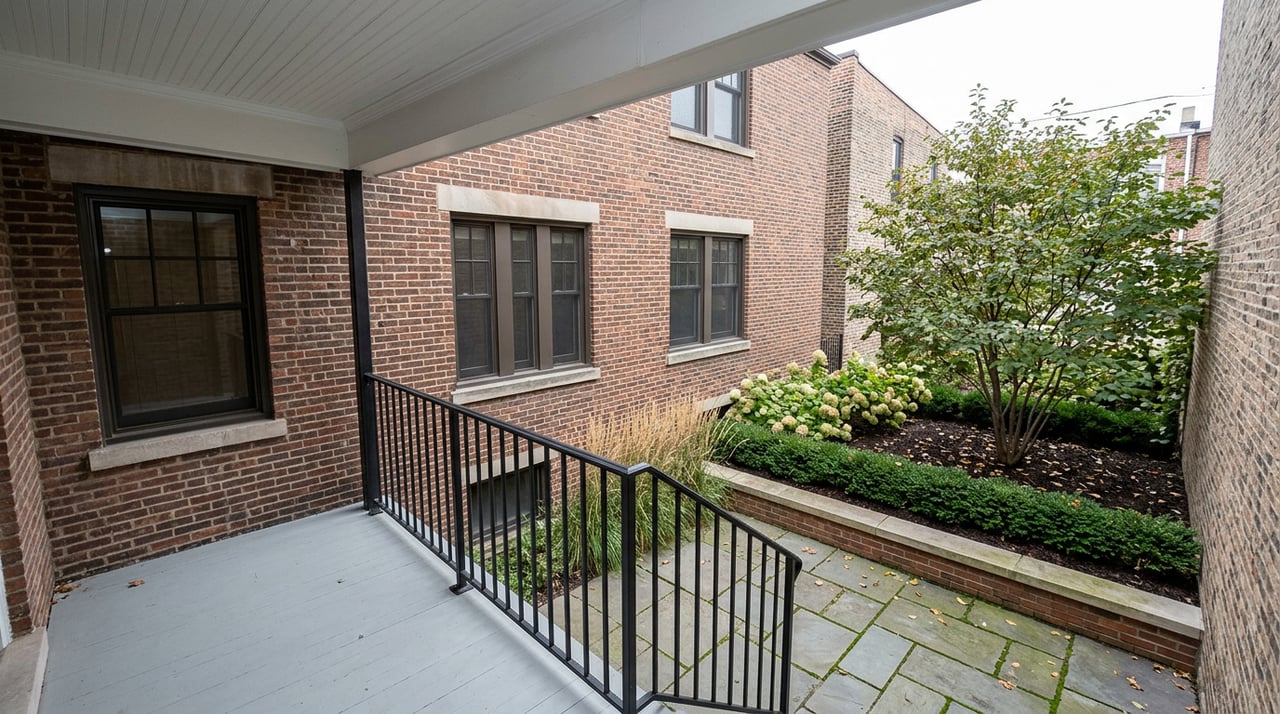
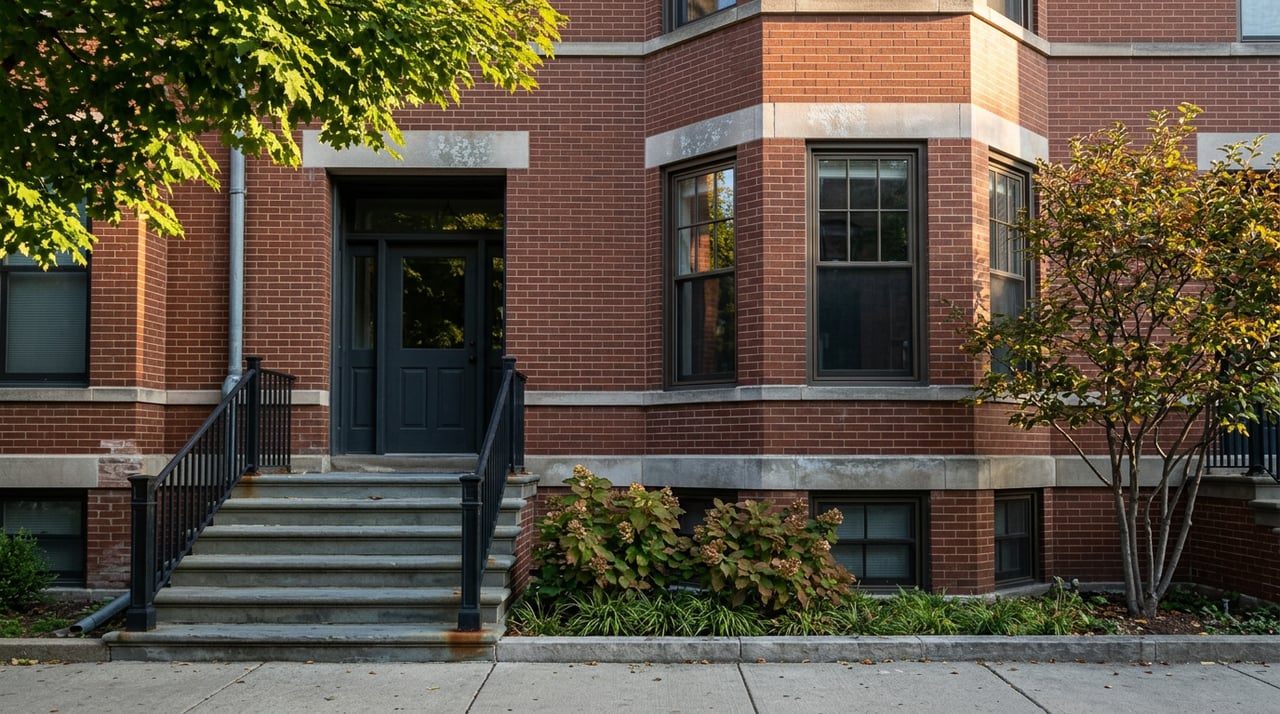
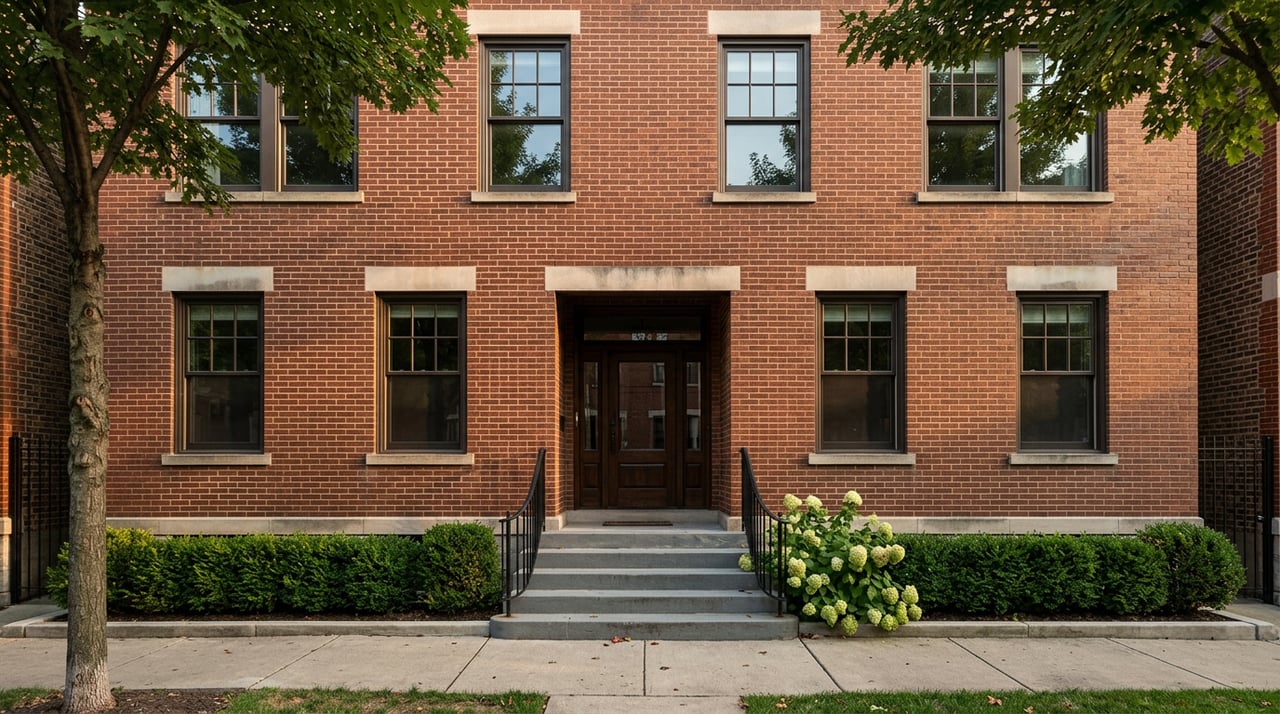
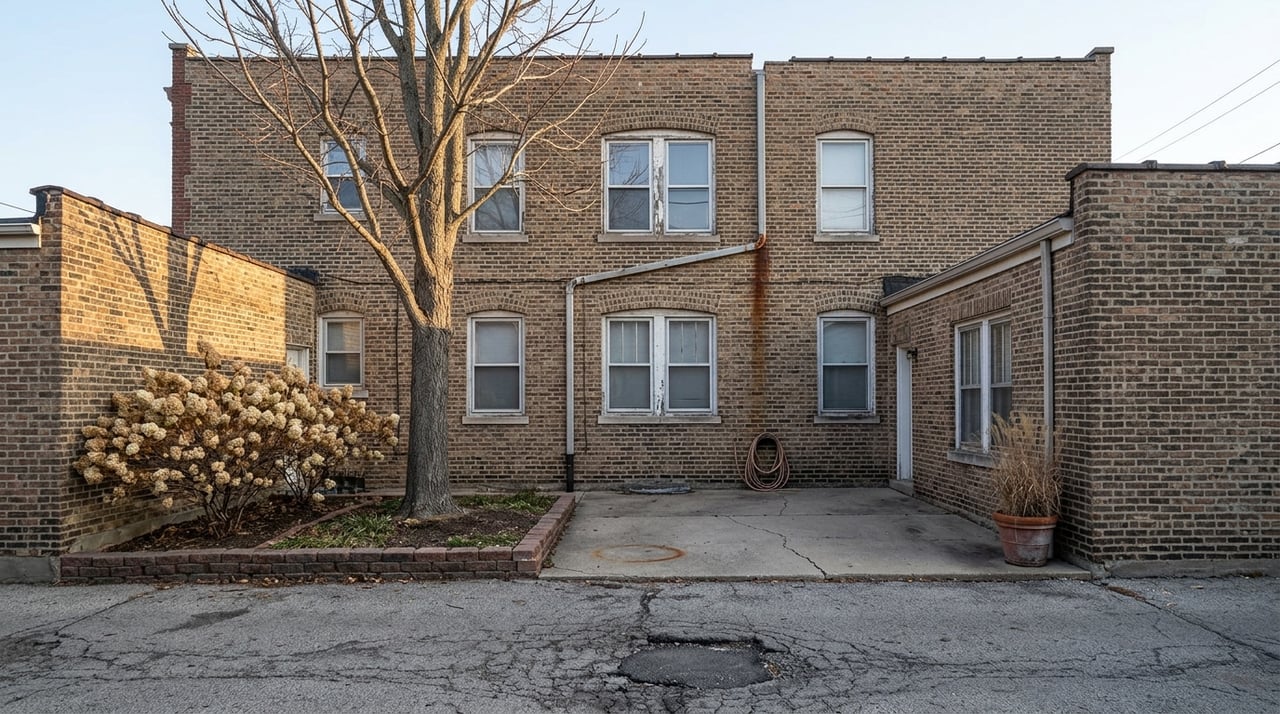
The most effective pre-sale updates for a Wicker Park small multifamily are often practical rather than flashy. Fresh neutral paint, repaired trim, clean flooring, updated lighting, refreshed kitchens and baths where needed, tidy common areas, and a clean mechanical or storage presentation can all improve how buyers experience the property. These details also help your building photograph better.
In this segment, presentation matters because buyers are often balancing lifestyle appeal with investment logic. A building that looks well-maintained tends to feel less risky, even before a buyer reviews the full financial file. That can support stronger interest and a smoother path to contract.
Best pre-listing improvements
- Neutral interior paint
- Trim and touch-up repairs
- Deep cleaning for units and common areas
- Flooring refresh where wear is obvious
- Updated light fixtures
- Kitchen and bath refreshes where needed
- Organized storage, laundry, and mechanical spaces
- Improved curb appeal through cleanup and maintenance
Check lead-safe and landmark rules before work begins
If your building was built before 1978, lead rules are part of the pre-sale picture. Sellers and landlords of most pre-1978 housing must disclose known lead-based paint information and provide the required lead hazard pamphlet before sale or lease. If renovation, repair, or painting work disturbs painted surfaces, paid contractors must use certified firms and lead-safe work practices.
Exterior work also needs extra care if your property is in the Wicker Park District. The City of Chicago identifies the Wicker Park District as a Chicago Landmark District, with buildings dating from 1870 to 1930. The city notes that the significant features in landmark districts are typically the exterior elevations visible from the public right-of-way.
Routine painting and minor repairs do not require a building permit, according to the city. But work that affects significant historic or architectural features must go through the landmark review process. If you are considering window replacements, porch changes, masonry work, or other visible exterior updates, check first before starting.
Market the building for serious buyers
Strong marketing for a Wicker Park two-flat should make underwriting easier, not harder. That means your listing should clearly present the unit mix, current rents, lease terms, utility setup, recent improvements, and any important documentation a buyer may request. The goal is to make the opportunity easy to understand.
This is especially helpful for buyers using a like-kind exchange. IRS guidance states that like-kind exchange treatment applies only to real property held for investment or business use, not property held primarily for sale, and the timeline includes a 45-day identification period and a 180-day closing period. Buyers working under those deadlines often value buildings that are fully documented and ready to move.
Your marketing should also stay squarely within fair housing rules. Focus on the property itself, its condition, its features, and its location. Avoid language about tenant demographics or coded preferences, and keep the story grounded in facts.
A simple selling checklist
Before your two-flat goes live, review these items:
- Confirm your pricing reflects income, lease terms, and condition
- Organize leases, rent roll, utility history, tax bills, and repair records
- Review tenant notice procedures and showing access
- Update owner or manager contact information if needed
- Resolve open code violations or utility issues where possible
- Refresh visible interior and common-area condition
- Verify lead disclosure requirements if the building is pre-1978
- Check landmark review needs before visible exterior work
- Prepare a buyer-ready document package
A well-prepared listing gives buyers fewer reasons to hesitate. In a neighborhood like Wicker Park, where supply is limited but scrutiny is high, that can make a real difference in both price and terms.
If you are thinking about selling a Wicker Park two-flat, the right strategy starts with honest underwriting, smart prep, and a marketing plan built for today’s buyer pool. The Joe Kotoch Group can help you price the asset, prepare the story, and bring it to market with a disciplined, full-service approach.
FAQs
What affects the price of a Wicker Park two-flat most?
- The biggest factors are usually in-place income, lease structure, major system condition, parking or garage utility, occupancy, and how much post-closing work a buyer expects to take on.
What documents should you gather before listing a Chicago two-flat?
- You should assemble the rent roll, leases, utility history, tax bills, repair and capital improvement records, permit records, and any lead or landmark-related documentation that applies.
What are the tenant access rules for showing an occupied Chicago two-flat?
- Under Chicago’s Residential Landlord and Tenant Ordinance, tenants may not unreasonably withhold access for certain showings and inspections, and landlords generally must give at least two days’ notice and enter at reasonable times.
What repairs should you make before selling a Wicker Park multifamily property?
- Focus first on visible, durable improvements like paint, trim repairs, flooring cleanup, updated lighting, refreshed kitchens and baths where needed, tidy common areas, and resolving deferred maintenance buyers will notice.
What should you know about landmark rules in the Wicker Park District?
- If your building is in the landmark district, exterior elevations visible from the public right-of-way may be subject to review, so visible changes like windows, porches, or masonry work should be checked before work begins.
What lead paint rules matter when selling an older Chicago two-flat?
- For most pre-1978 housing, sellers must disclose known lead-based paint information and provide the required lead hazard pamphlet, and paid renovation work that disturbs painted surfaces must follow lead-safe rules.