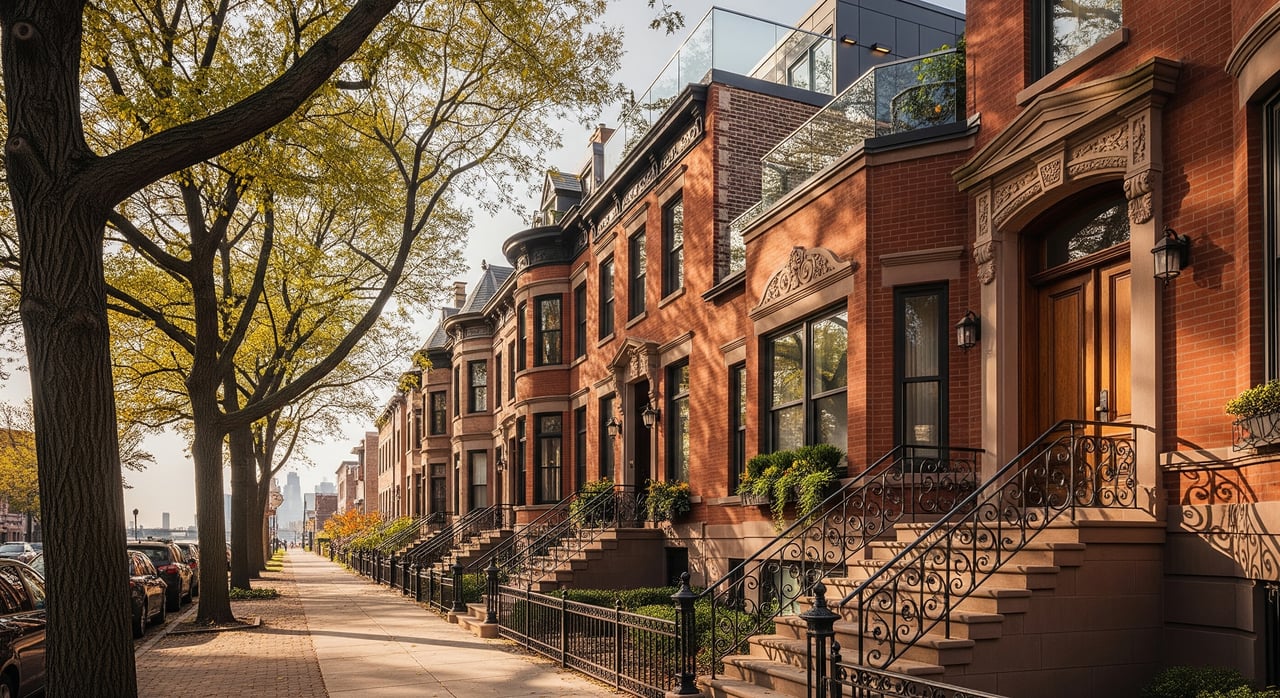
Thinking about living close to the lake, with lively streets, quiet side blocks, and easy transit to the Loop? Lakeview on Chicago’s North Side gives you exactly that mix. You get classic Chicago architecture, strong retail corridors, and a calendar full of events that keep the area buzzing. In this guide, you’ll learn how Lakeview’s sub-pockets differ, what daily life feels like, and how to match your housing goals to the right blocks. Let’s dive in.
Lakeview at a glance
Lakeview is a large, lakefront neighborhood with a little of everything: vintage walk-ups, mid and high-rise condos, and pockets of single-family homes. Its identity blends a strong restaurant and nightlife scene, a visible LGBTQ+ cultural presence in Northalsted, and Wrigley Field as a major anchor that shapes weekends and local commerce. Because the area spans many blocks and corridors, your experience can change dramatically within a short walk.
You’ll hear locals describe the neighborhood by corridor more than by a map line. Clark, Halsted, Southport, Broadway, and Belmont each offer a distinct vibe. Knowing which corridor you want to live near is often the fastest way to narrow your search.
Sub-pockets and what you can expect
Wrigleyville
Centered around Wrigley Field near Addison and Clark, this pocket is sports-forward and event-driven. It has many bars, restaurants, and a high renter population, with short-term visitor traffic on game days and concerts. Off-season can feel calmer, but nightlife stays active.
Northalsted / Boystown
Along the Halsted corridor from roughly Addison to Belmont, you’ll find a historic LGBTQ+ commercial and entertainment area. It’s dense with bars, restaurants, retail, and community events. Singles and couples who want nightlife and a strong neighborhood identity often land here.
Southport Corridor
Southport Avenue between Diversey and Roscoe has a boutique feel, with cafés, neighborhood shopping, and family-oriented restaurants. The street grid is calmer and residential. Many buyers choose Southport for a quieter pace while still having amenities close by.
East Lakeview
Closer to the lake and Belmont Harbor, East Lakeview offers more mid and high-rise condos and quick access to the Lakefront Trail. You get strong views, outdoor recreation, and a quieter, more residential tone. Professionals and empty-nesters often pay a premium for lake access and building amenities.
South Lakeview / Roscoe fringe
On the western edge, you see more two-flats, greystones, and streets that read as quieter and residential. This area feels like a transition toward North Center and Roscoe Village. Families often look here for more space and a calmer street scene.
Transitional edges
Blocks toward Uptown to the north and Lincoln Park to the south blend characteristics with those neighbors. Commercial corridors shift accordingly, so it pays to walk the blocks you’re considering to get a real feel for the sound and flow.
Getting around day to day
Lakeview is well served by the CTA Red Line, with easy transfers to the Brown and Purple Lines at major stations. From central Lakeview stations like Belmont, Addison, or Fullerton, Red Line trips to the Loop are typically about 15 to 30 minutes depending on time of day. Numerous bus routes, strong bike infrastructure, and Divvy bike-share round out your options.
There is no primary Metra line through central Lakeview, so most commuters rely on the CTA. Driving times vary widely with traffic. Event days around Wrigley Field can add meaningful delays, so plan errands and guest parking accordingly.
Parks, lakefront, and play
Access to the lake is a key lifestyle draw. You can run or bike the Lakefront Trail, enjoy nearby beaches, or keep a boat at Belmont Harbor. Warmer months bring peak outdoor activity.
Smaller neighborhood parks and playgrounds dot the area, and Lincoln Park is just to the south of parts of Lakeview. If you have a dog or a stroller, you’ll find the mix of green space and sidewalks convenient.
Dining, shopping, and nightlife
Lakeview’s corridors offer something for every mood. Southport leans boutique and family-friendly, while Halsted and Clark bring a wider nightlife and restaurant scene. Broadway and Belmont add cafés, specialty shops, fitness studios, and everyday services.
Evenings can be lively, especially in Wrigleyville and Northalsted. Expect higher noise and foot traffic near those pockets. The tradeoff is a strong entertainment calendar, including community events, Pride celebrations, Northalsted Market Days, and Wrigley Field concerts.
Housing and costs
Building types and ownership mix
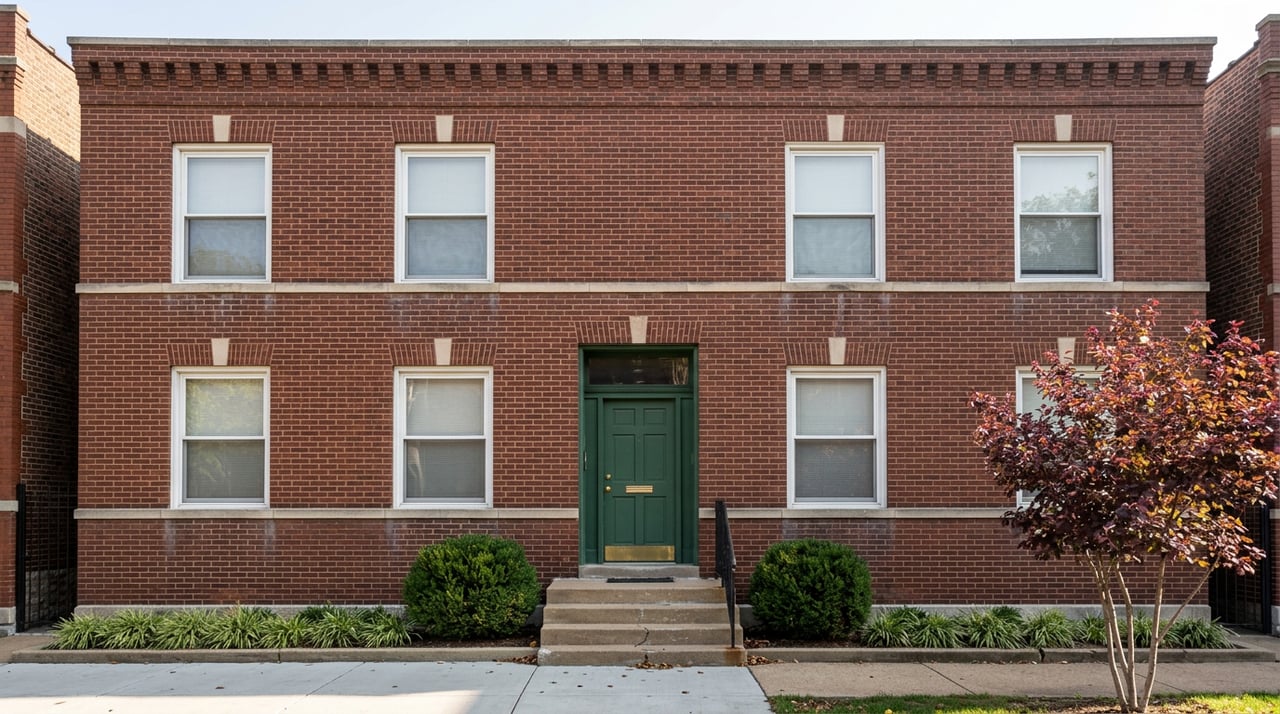
You’ll see vintage greystones and two-flats farther west, low to mid-rise walk-ups throughout, and more high-rise condo options closer to the lake. Owner-occupied condos and houses sit alongside a large rental base, especially near Wrigleyville and East Lakeview. New condo developments and conversions pop up in high-demand areas.
Pricing patterns and tradeoffs
Prices vary by sub-pocket, building type, and proximity to the lake. Lakefront condos and high-amenity buildings tend to carry premiums for views and services. Units in nightlife-focused pockets can be more affordable on a per-unit basis, with strong rental demand that may appeal to investors.
If you’re comparing two similar condos, look beyond list price. Consider HOA fees, parking, and event-driven convenience to decide what fits your day to day. Small changes in location within Lakeview can shift your experience and your total monthly cost.
Monthly costs that matter
- Parking: Off-street or garage parking is valuable and often priced separately. Street parking is limited on some blocks and may require residential permits.
- Association fees: Many condos have HOA dues that can cover utilities, a doorman, fitness rooms, or shared amenities. These vary widely and impact your monthly budget.
- Property taxes: Cook County assessments and tax rates apply. Review recent tax bills and assessment categories for any property you’re considering.
Who thrives in Lakeview
Singles and young professionals
You might lean toward Wrigleyville, East Lakeview, or Northalsted for nightlife, transit access, and smaller condo formats. The ability to walk to bars, restaurants, and the Red Line can anchor your daily routine. If quiet is a priority, consider a half block off the main corridors.
Couples and career professionals
Southport Corridor, East Lakeview, and tree-lined blocks near transit and restaurants are popular. These streets balance energy with a calmer residential feel. Units with a work-from-home nook or a second bedroom are common finds.
Growing families
Families often seek multi-bedroom condos or single-family homes on quieter blocks near parks and schools. Southport Corridor, select pockets of East Lakeview, and the western edges near Roscoe Village and North Center are typical targets. Low traffic streets and access to playgrounds rank high on the checklist.
Investors and house-hackers
Rental-friendly buildings close to transit and DePaul University can be attractive. Wrigleyville’s event-driven demand is a factor, but always confirm current short-term rental rules and any building restrictions. Small multifamily properties in the 2 to 6 unit range offer value-add potential for the right plan.
Schools and family resources
Lakeview is served by Chicago Public Schools, with school assignments set by CPS boundaries. Options in and near the neighborhood include neighborhood elementary schools, citywide or option programs, charters, and a range of private and parochial choices. DePaul University nearby brings educational programming and a steady daytime population.
Childcare and preschool offerings are spread along major corridors, though availability can vary with the season and age group. Families also have access to local library branches, playgrounds, and nearby beaches for seasonal activities.
Safety and livability
As with most urban neighborhoods, Lakeview experiences both property and violent crime, and patterns vary by block and time of day. Areas around Wrigley Field see elevated crowd-related incidents during events. Many residents weigh the convenience and vibrancy of active corridors against a preference for quieter residential streets just a few blocks away.
If safety data is important to you, review official crime dashboards and community resources to understand patterns near the blocks you’re considering. A block-level view tells a more accurate story than broad neighborhood averages.
Practical tips before you buy
- Time your plans: Wrigley Field events can affect parking and street access. If you are moving or scheduling contractors, avoid home games and concerts.
- Confirm parking: Ask if a unit includes a deeded or assigned space, and check residential permit zones for nearby streets.
- Budget the full monthly: Add HOA dues, parking, and realistic utilities to your mortgage estimate so you compare apples to apples.
- Verify school details: Use official CPS resources to confirm attendance boundaries and program availability for your address and grade level.
- Know the rules: Short-term rental policies and building regulations change. Investors should confirm current city rules and any HOA restrictions before underwriting returns.
- Plan for projects: If you are renovating, confirm zoning, permitting, and any landmark considerations with the city before you start.
How the Joe Kotoch Group helps
You deserve advice that looks past the listing and focuses on your outcome. Our team pairs negotiation-forward representation with hands-on execution for buyers, sellers, and investors. If you are comparing Southport vs. East Lakeview, weighing the tradeoffs of living near Wrigley, or underwriting a 2 to 6 unit value-add, we help you model the numbers and map the block-by-block lifestyle.
For investors, we source, underwrite, and manage rehab projects, then lease and operate assets so you hit your targets. For lifestyle buyers and sellers, we deliver private, concierge service with clear strategy and strong market insight. Ready to talk through your plan in Lakeview? Connect with the Joe Kotoch Group to Start a Strategic Conversation.
FAQs
How noisy is living near Wrigley Field in Lakeview?
- Expect higher noise, traffic, and foot activity on Cubs home game and concert days; off-season and non-event days are noticeably calmer.
What is the typical Lakeview commute to the Loop?
- From central Lakeview Red Line stations like Belmont, Addison, or Fullerton, plan roughly 15 to 30 minutes to reach downtown depending on time of day.
Which Lakeview areas feel quieter for families?
- Southport Corridor, parts of East Lakeview off the main corridors, and western edges near Roscoe Village often offer calmer, tree-lined residential blocks.
Is parking difficult in Lakeview and what are the options?
- Street parking can be limited on some blocks, with residential permit zones in place; off-street or garage spaces add cost but increase convenience.
Are short-term rentals allowed in Lakeview, Chicago?
- Rules evolve at the city and building level, so confirm current Chicago policies and any HOA restrictions before you buy an investment property.
What types of homes are common in Lakeview?
- You’ll find vintage two-flats and greystones, low to mid-rise walk-ups, lakefront high-rise condos, and select single-family homes on interior or west-edge blocks.