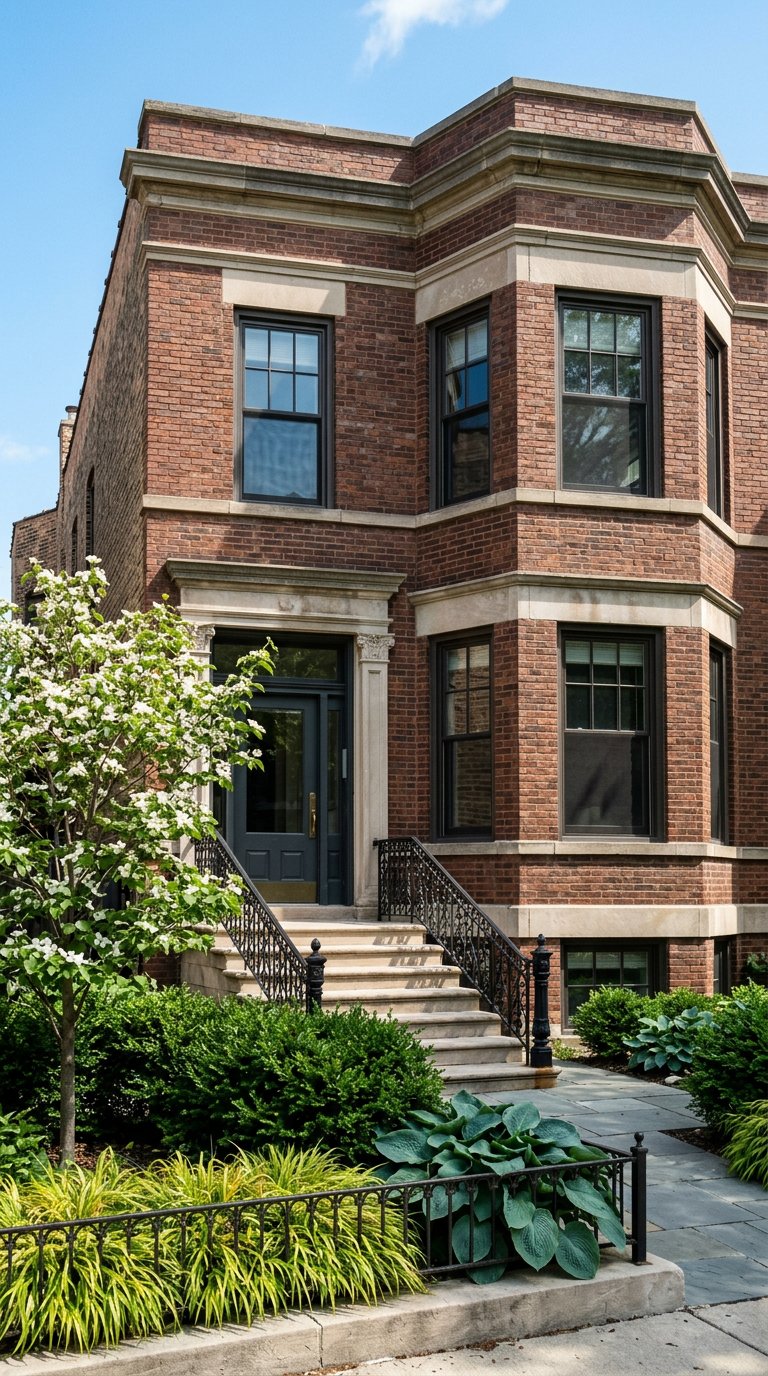
Looking for a classic Chicago brick two-flat on a quiet, tree-lined block near downtown? Ukrainian Village might be your sweet spot. You get historic charm, strong small-multifamily options, and easy access to the Blue Line, without the heavier nightlife you see a few blocks east. In this guide, you’ll learn where the neighborhood begins and ends, what the housing stock looks like, what you can expect to pay, and how to shop smart if you are a buyer or investor. Let’s dive in.
Why Ukrainian Village
Ukrainian Village sits on Chicago’s Near West Side inside the broader West Town community area. It is known for early 20th-century masonry buildings, active Ukrainian cultural institutions, and a residential feel that still puts you minutes from the Loop. For a concise historical snapshot, the neighborhood overview from the Encyclopedia of Chicago is a useful starting point.
If you are choosing between Ukrainian Village and nearby Wicker Park, you will notice different street energy. Wicker Park’s Milwaukee, Damen, and North intersection is a much busier shopping and nightlife node, as summarized on Wicker Park’s encyclopedia entry. Ukrainian Village feels more residential on its interior blocks, with independent cafés and restaurants along Chicago Avenue and pieces of Division, plus several landmark churches that anchor the neighborhood’s identity.
Boundaries to know
Buyers commonly cite Division Street on the north, Grand or Chicago Avenue on the south, Western Avenue on the west, and Damen Avenue on the east. Some maps extend those edges slightly, which is normal for Chicago neighborhood lines that have grown by usage over time. Within that footprint sits the smaller, officially designated Ukrainian Village District landmark area, where some properties are subject to additional exterior review.
Housing styles and landmark rules
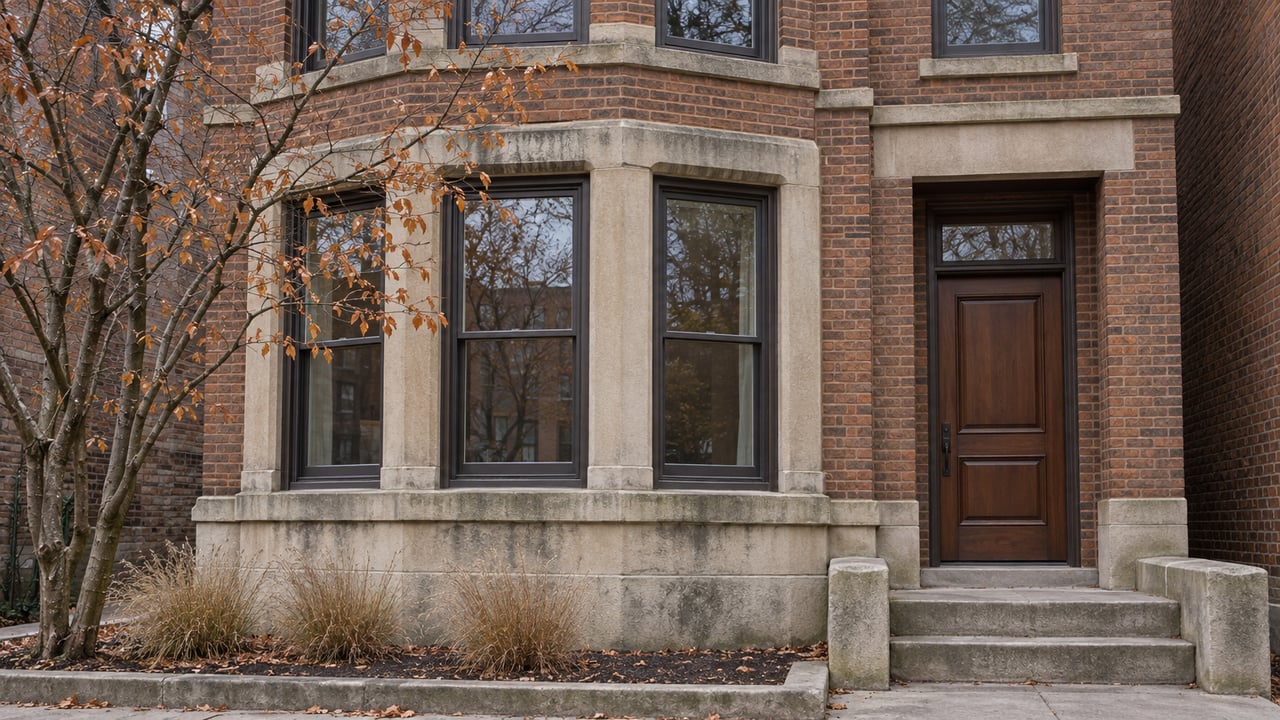
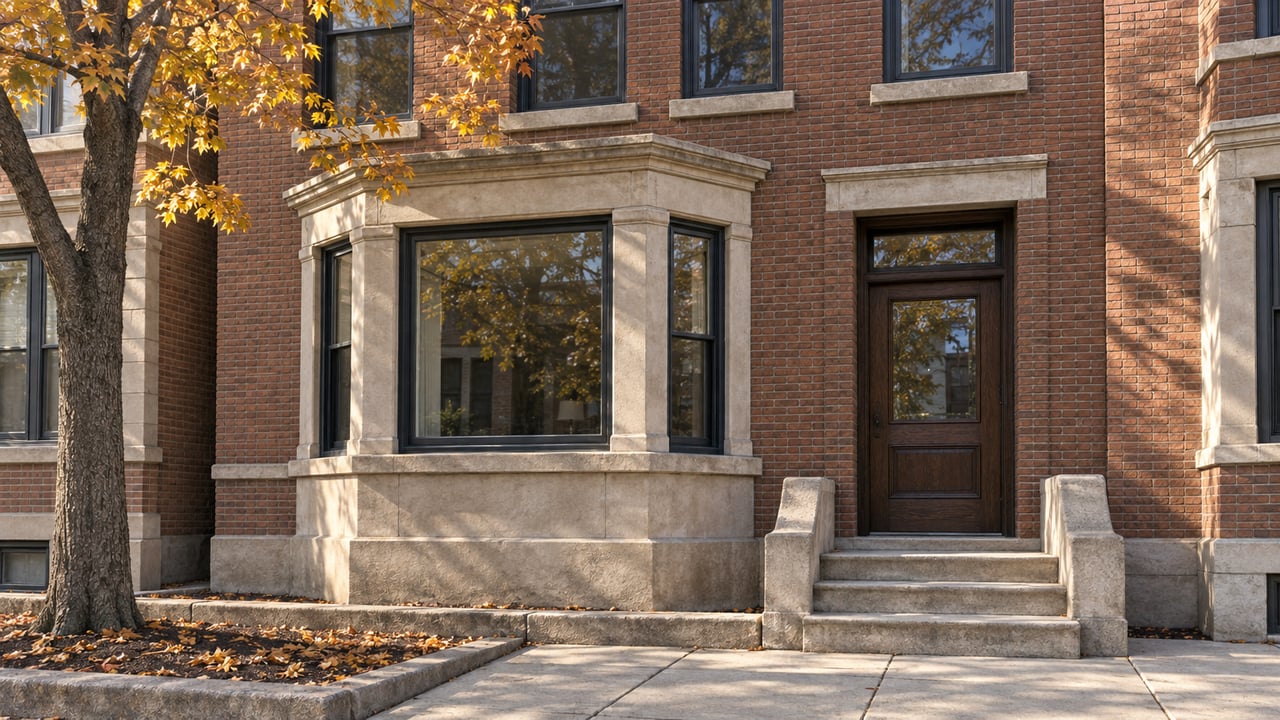
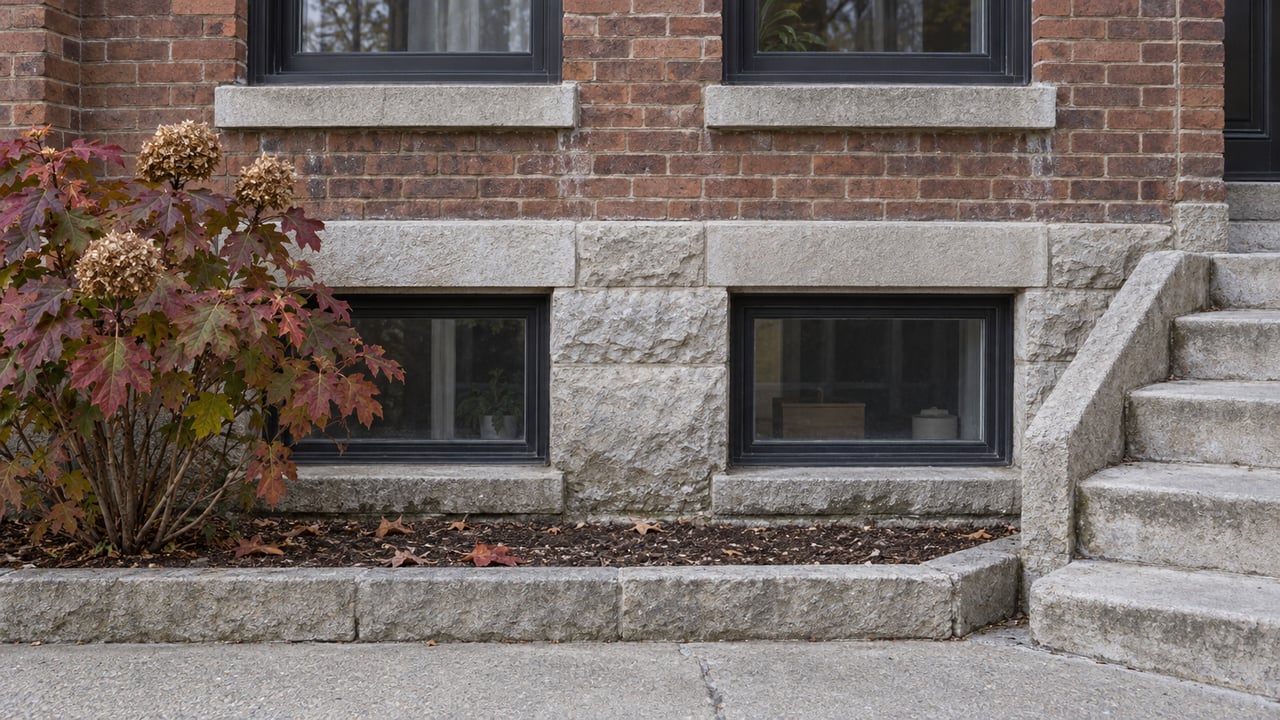
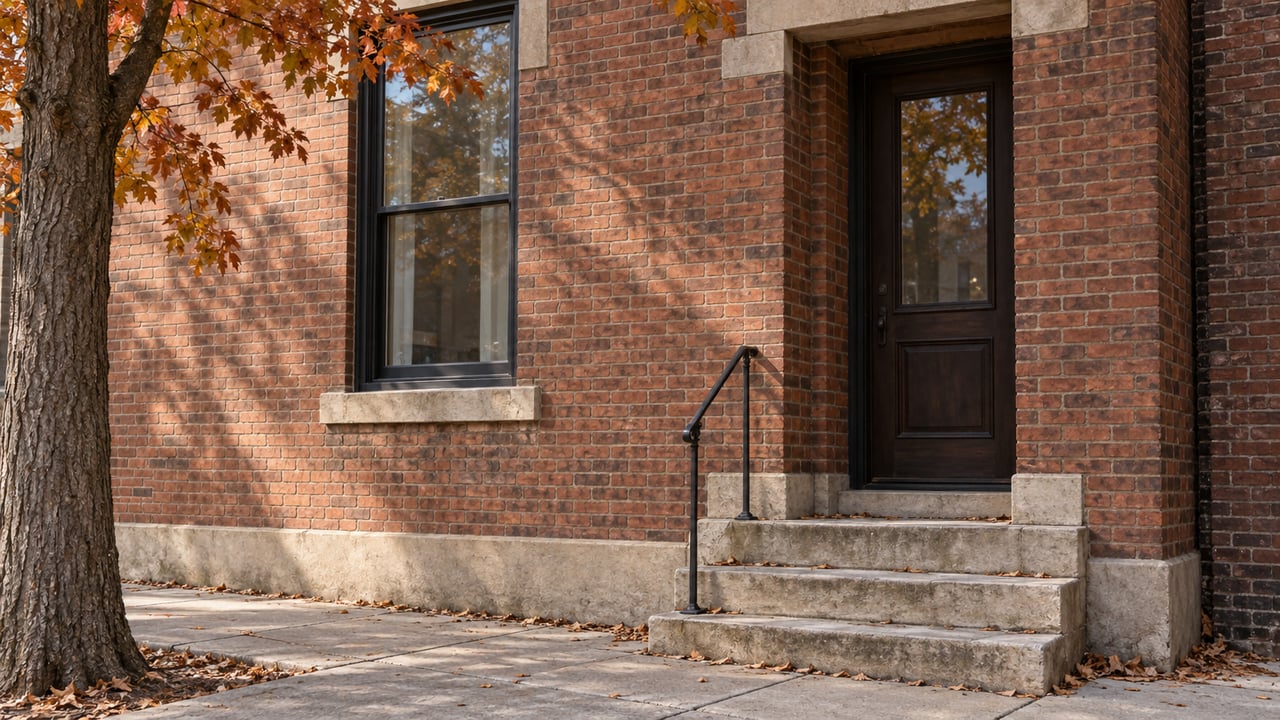
Walking the blocks, you will see a lot of low-rise masonry: brick two-flats and three-flats, some single-family homes and rowhouses, and a few courtyard buildings. Many two- and three-flats were designed as owner-occupied homes with a rental unit above or below, which is a popular strategy for buyers who want help covering the mortgage. You will also spot renovated single-family conversions sprinkled among the vintage multi-units.
Architecture lovers will notice the churches that give the neighborhood its skyline. Landmarks like St. Nicholas Ukrainian Catholic Cathedral are visible reminders of the area’s roots and help explain why parts of the neighborhood carry landmark protections. If you are buying inside the Ukrainian Village District, plan for exterior changes to go through review. That can be a plus for long-term value on a historic block, but you should budget time and costs accordingly.
What homes cost today
Recent neighborhood snapshots from major listing aggregators show a wide range because each platform measures value differently.
- Redfin reported a median sale price around 870,000 dollars as of January 2026.
- Realtor.com showed a median home price near 789,000 dollars and a median asking rent near 2,397 dollars per month based on late 2025 data.
- Zillow’s Home Value Index, which is a smoothed model of typical value, came in lower at about 547,258 dollars through January 31, 2026.
These differences come from method, not a contradiction. Redfin and Realtor medians reflect what is listed and sold in a recent period. Zillow’s index is a model that smooths seasonality and type mix. Use these ranges as a directional guide, then confirm exact pricing with MLS comps on your target block and building type.
Price factors by block
Several levers push prices up or down in Ukrainian Village:
- Location within the neighborhood. Proximity to Division, Chicago Avenue, and Blue Line stops can add value.
- Building type. Vintage two- or three-flats with rental income potential trade differently than fully converted single-family homes.
- Condition and level of renovation. Turnkey historic units tend to see tighter inventory and faster absorption.
- Landmark status. Homes on landmarked blocks often command a premium for character and curb appeal, though exterior work is more regulated.
Lifestyle and culture
Ukrainian Village has a strong cultural core. Institutions like the Ukrainian Institute of Modern Art and the Ukrainian National Museum program exhibitions and events that draw both residents and visitors. You will also find active Ukrainian churches with community calendars and festivals that reinforce the neighborhood’s identity.
Day to day, the vibe is relaxed and local. Chicago Avenue supports independent restaurants, cafés, and small shops, and parts of Division extend that pattern without turning into a nightlife strip. If you want an architecturally interesting, near-downtown neighborhood with quieter residential blocks, this area fits well.
Getting around
The neighborhood is highly walkable and bike-friendly. You are close to the Blue Line corridor, with the Division, Damen, and Western stations along Milwaukee providing quick access to downtown and O’Hare. Several frequent CTA bus routes run along Division, Chicago Avenue, Damen, and Western, which makes car-free errands and commutes practical. A City planning report shows how these transit patterns shape West Town’s mobility; you can browse the existing conditions summary for broader context.
Who buys here
Expect a mix: young professionals, move-up buyers seeking historic character, long-time Eastern European families, and small investors drawn to two-flats. Neighborhood aggregators that map Census data estimate a younger median age around the early 30s, a high share of college-educated residents, and a median household income above the city average. Treat these as neighborhood-level indicators rather than exact census figures, since informal neighborhood lines do not align perfectly with census tracts.
Tips for investors and house-hackers
If you are considering an owner-occupied two-flat or a small multi-unit, Ukrainian Village is a natural fit. Two-flats are a Chicago classic that allow you to live in one unit and rent the other to offset expenses. For a quick primer on why two-flats are so embedded in Chicago’s housing fabric, read this overview from Block Club Chicago.
Here are practical items to know before you write an offer:
- Zoning and landmark overlays. Parts of Ukrainian Village fall inside the landmark district, which triggers exterior review for alterations. Always confirm status and permitting expectations up front using the district designation summary.
- Taxes and assessments. Cook County assessments and available exemptions can move your cash flow. Check parcel details and appeals windows on the Cook County Assessor site.
- Rents and demand. Asking rents vary by condition and unit size. Investor interest is supported by proximity to the Blue Line, downtown, the Medical District, and steady demand from professionals and graduate students.
- Short-term rentals. Chicago requires registration or licensing for short-term and shared housing, with rules on primary residence, caps, and insurance. Review current requirements and updates with an overview like this summary of Chicago short-term rental rules and verify any HOA or condo restrictions.
- Safety due diligence. Crime patterns vary block by block. Use the City of Chicago crime dataset to study objective trends and then walk the area at different times.
Due diligence checklist
Use this concise checklist to keep your search efficient and data-driven:
- Pull MLS comps for the specific block and building type. Distinguish between renovated units and projects that still need work.
- Confirm zoning and whether the property is within the Ukrainian Village landmark district. If yes, plan for exterior review on alterations.
- Check the Cook County Assessor for assessed value, past tax bills, and potential exemptions. Model taxes conservatively, especially after a sale.
- If rental income is part of your plan, verify current market rents, tenant requirements, and short-term licensing rules. Start with a policy overview like Chicago’s short-term rental guidance and confirm building-level rules.
- Walk the block at multiple times and pair your impressions with the City crime dataset and recent community reporting for context.
How we help you buy well
Buying in Ukrainian Village rewards a strategic approach. You want precise comps, on-the-ground read of block-level nuances, and a plan for value-add potential that respects landmark rules. Whether you are a lifestyle buyer targeting a vintage single-family or an investor underwriting a two- to six-unit, our team brings negotiation-forward representation and hands-on execution across sourcing, underwriting, rehab management, leasing, and property management.
If you are ready to explore Ukrainian Village, reach out to the Joe Kotoch Group. Start a Strategic Conversation and we will tailor a search, surface off-market and coming-soon options, and map a clear path from offer to close to first lease-up.
FAQs
What is Ukrainian Village in Chicago?
- Ukrainian Village is a Near West Side neighborhood within West Town. It is known for historic brick housing, active Ukrainian cultural institutions, and a designated landmark district that protects much of its architecture. For history, see the Encyclopedia of Chicago overview.
How do Ukrainian Village home prices compare to Wicker Park?
- Prices are often similar at a high level, but results vary by block and building type. Wicker Park has a denser commercial core, while Ukrainian Village’s interior blocks feel more residential. Always use MLS comps for your exact property and location.
Are there landmark rules for renovations in Ukrainian Village?
- Yes. Parts of the neighborhood are inside the Ukrainian Village District landmark area. Exterior changes there typically require review and permits, so confirm status before you budget additions or façade work.
Is Ukrainian Village walkable and transit-friendly?
- Very. The area is walkable and close to Blue Line stations at Division, Damen, and Western along Milwaukee, plus frequent bus routes. A City planning snapshot of West Town illustrates these patterns in an existing conditions report.
What should small investors know about two-flats here?
- Two-flats are common and well-suited for owner-occupants or buy-to-let strategies. They are a Chicago staple with strong long-term renter demand. For context on their history and appeal, read this Block Club Chicago primer.
How can I verify property taxes before buying in Ukrainian Village?
- Use the Cook County Assessor website to review assessed value, recent tax bills, and exemptions. Model potential changes after a sale and during reassessment cycles.
What are the rules for short-term rentals in Ukrainian Village?
- Chicago requires registration or licensing and has rules about primary residence status, unit caps, and insurance. Start with a policy overview like this explainer of Chicago’s short-term rental rules and confirm building and HOA restrictions.
How do I check recent crime trends for Ukrainian Village?
- Use the City of Chicago crime dataset to review incidents by location and time period. Pair that data with multiple visits to the block to understand real-world activity and feel.