If you are looking at a small multifamily deal in Avondale, the opportunity is real, but the margin for error is smaller than many buyers think. You are not just buying a building and planning a renovation. You are underwriting older housing stock, a tight rental market, city permitting timelines, and neighborhood-specific rules that can affect your exit strategy. The good news is that when you structure the deal correctly, Avondale can support a disciplined value-add plan. Let’s dive in.
Why Avondale Works for Value-Add
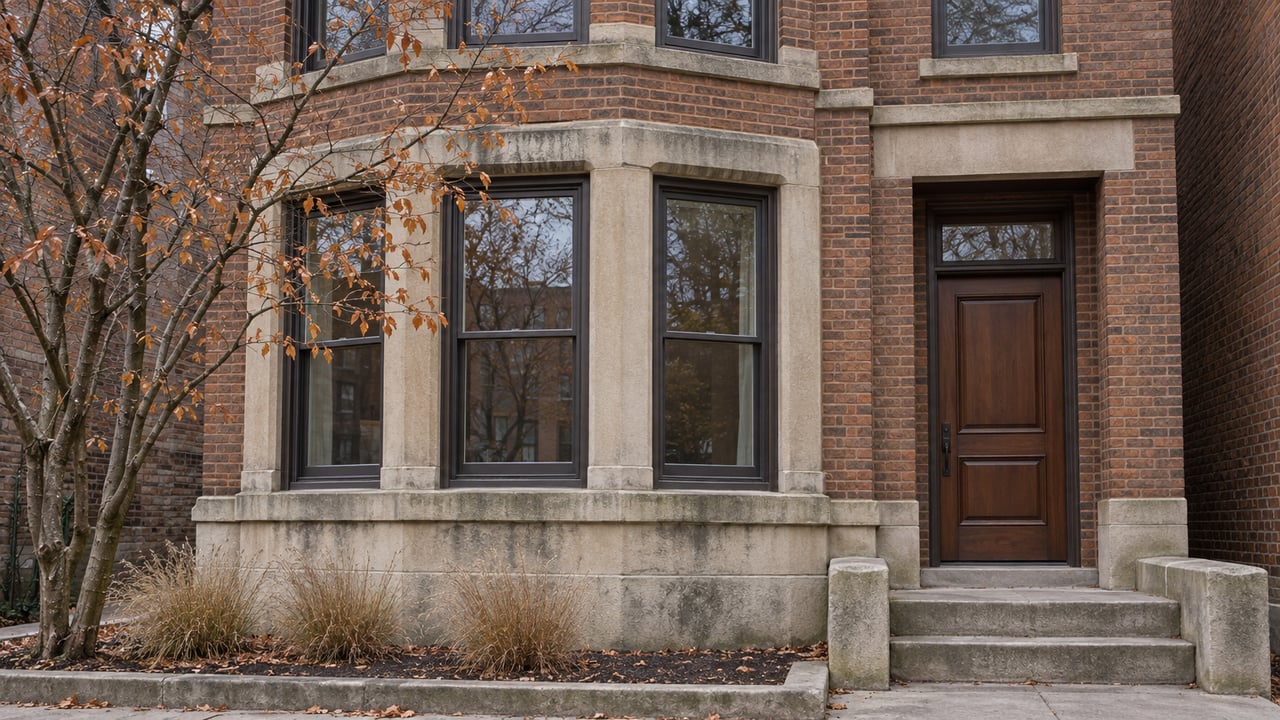
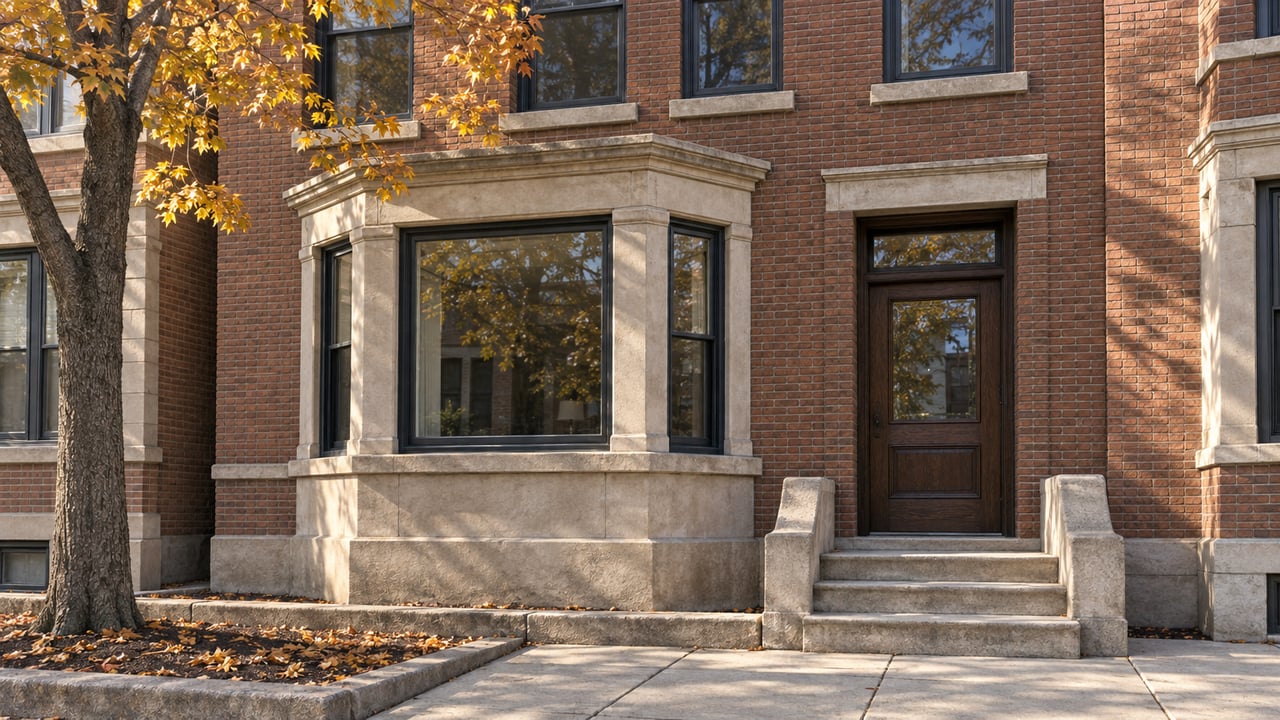
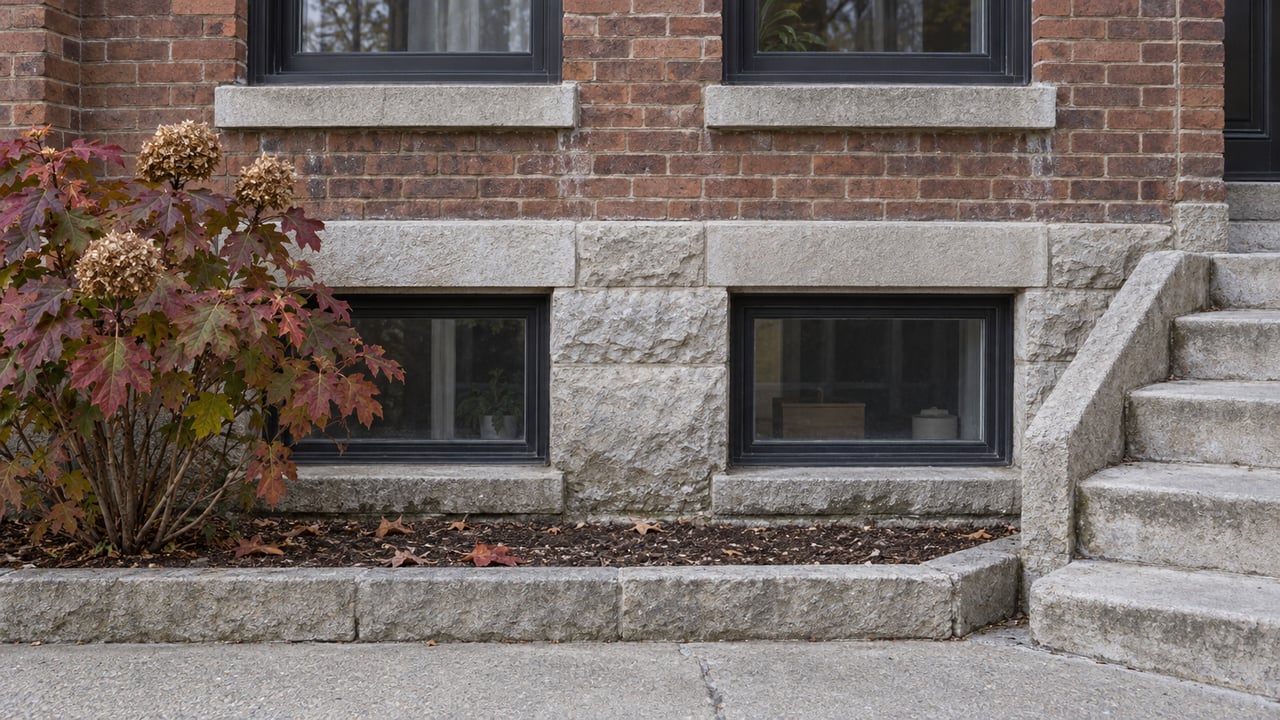
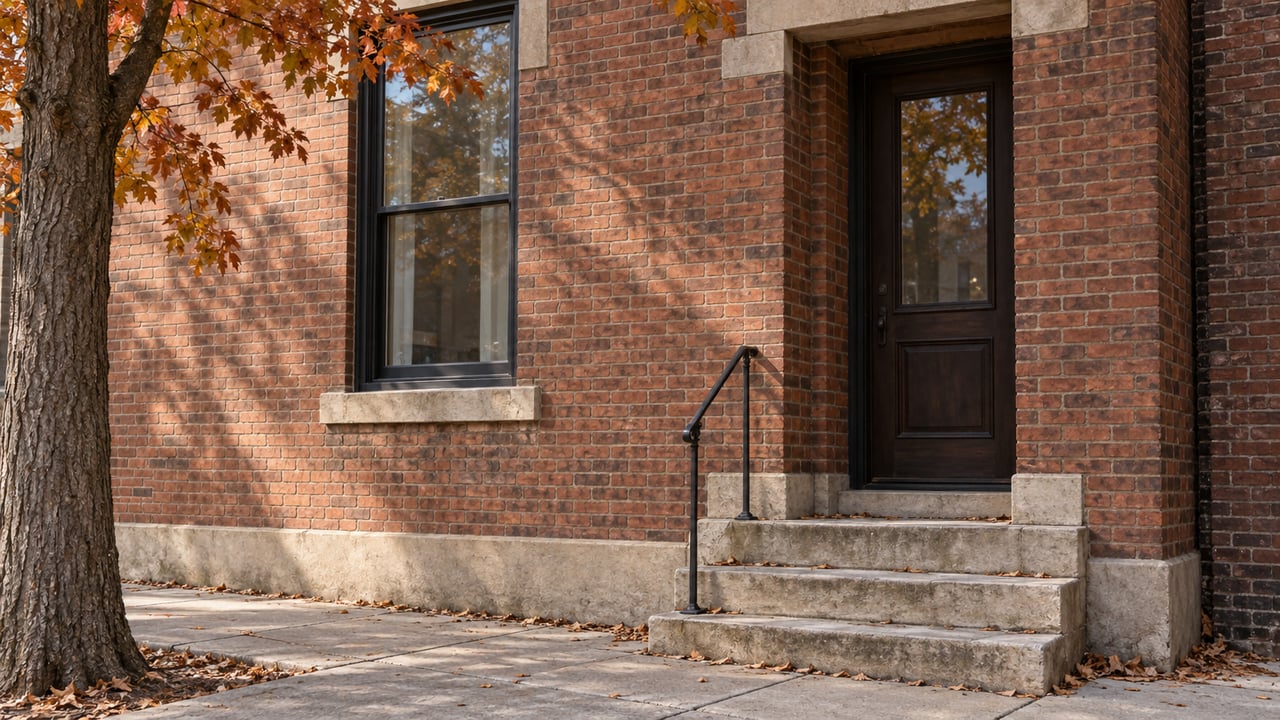
Avondale fits a value-add strategy because the neighborhood has the kind of housing stock that often responds well to targeted improvements. According to the CMAP Avondale community snapshot, 57.6% of homes are renter-occupied, the median year built is 1935, and 55.3% of housing was built before 1940. That age profile points to many properties with dated interiors, older systems, and layouts that may support rent growth after renovation.
The building mix matters too. The same CMAP data shows that two-unit buildings make up 28.1% of the housing stock, 3 to 4 unit buildings account for 30.5%, and another 12.0% falls in 5 to 9 unit buildings. For investors focused on 2 to 6 units, that is a strong match between neighborhood inventory and typical small multifamily acquisition criteria.
That does not mean every building is a deal. It means Avondale gives you a larger pool of assets where improvements may create value through better rents and stronger operations rather than through major redevelopment.
Basis Advantage Is Real, But Modest
One of the biggest mistakes in Avondale underwriting is assuming the neighborhood trades at a huge discount to nearby North Side submarkets. The reality is more nuanced. Avondale can offer a basis advantage, but it is usually modest rather than dramatic.
Cushman & Wakefield’s Q4 2024 Chicago multifamily report grouped Bucktown, Logan Square, and Avondale together at an average effective rent of $1,876 per unit with 96.0% occupancy. In comparison, Lakeview, Lincoln Park, and Roscoe Village posted $1,945 with 96.7% occupancy. That spread suggests Avondale may let you buy into a strong rental corridor at a somewhat lower basis, but it is not a market where sloppy assumptions get rescued by a giant rent gap.
For you, the takeaway is simple: your upside needs to come from execution. You want a purchase price, renovation plan, and rent strategy that work even if the post-renovation premium is measured, not aggressive.
Start With the Right Underwriting Framework
A value-add deal in Avondale should be modeled in two stages. First, you need to understand the in-place income and expenses on day one. Then you need to build a separate view of what the property can earn after improvements, lease-up, and stabilization.
That distinction is important because CBRE’s cap-rate survey separates stabilized assets from value-add deals. For value-add properties, cap rates should be evaluated against stabilized NOI after improvements relative to your acquisition cost plus capital invested. In other words, you should not let an in-place cap rate drive the entire investment thesis.
A disciplined underwriting model usually needs four core elements:
- A basis low enough to justify renovation capital
- A realistic rent premium after improvements
- Reserves for vacancy, carry costs, and construction overruns
- Enough time for permitting, renovation, and lease-up
If one of those pieces is weak, the deal can still close, but it becomes much harder to hit your target return.
Use Conservative Market Benchmarks
The broader Chicago multifamily market still supports value-add execution, but it also calls for conservative assumptions. According to Northmarq’s Q1 2025 Chicago market report, vacancy was 5.3%, asking rents averaged $2,000 per month, year-over-year rent growth reached 4.3%, and cap rates were around 5.5% to 6.0%. The same report noted limited new supply, with about 1,500 units delivered in early 2025 and roughly 7,100 units under construction regionwide.
The report cited in the research also notes that other broker data showed a wider cap-rate range, extending into the high-6s. That is why your exit cap assumption should not simply mirror the lowest number in the market. It should reflect asset quality, unit count, rehab scope, and how your finished product compares with nearby competition.
For Avondale specifically, this means you should stress-test your model. If your returns only work on a very tight exit cap and a flawless rent-up, the deal may be too thin.
Match Renovation Scope to the Asset
Because so much of Avondale’s housing stock predates 1940, many value-add projects will be more about smart modernization than total redevelopment. Based on the neighborhood’s age and housing mix in the CMAP data, a typical scope may include:
- Kitchen and bath updates
- New flooring and paint
- Fixtures, lighting, and appliances
- Common-area refreshes
- Selective plumbing, electrical, or mechanical work
That kind of renovation can be attractive because it often supports rent growth without pushing the project into a much riskier category. At the same time, older buildings can hide expensive issues behind walls, under floors, or in outdated building systems. Your budget should leave room for those surprises.
A good rule of thumb is to renovate to the level the submarket will support, not to the level that feels impressive on paper. In Avondale, over-improving a 2 to 6 unit building can squeeze your returns just as quickly as underestimating the work.
Build Permit Timing Into the Schedule
Permitting is one of the most common places where value-add timelines fall apart. If your project involves more than light cosmetic work, you should assume meaningful pre-construction time before units return to market.
Chicago’s official Time to Permit dashboard showed a total permit time of 85 days as of April 16, 2026, including 29 days of Department of Buildings processing and 56 days with the applicant. That is a useful planning benchmark because it highlights how much of the schedule can be consumed before construction really gets moving.
For you, that means the timeline should include more than contractor duration alone. It should also account for drawings, revisions, submissions, approvals, and the carrying costs that continue while you wait.
Plan for Realistic Lease-Up
Avondale benefits from a fairly tight rental environment, which helps support a value-add strategy. Cushman reported 96.0% occupancy for the Bucktown, Logan Square, and Avondale grouping, and broader Chicago reports point to vacancy in the mid-4% to low-5% range. That is constructive for rent-up, especially when new supply remains limited.
Still, lease-up should be modeled with discipline. A light-turn unit may lease within a normal turnover cycle, while a building being repositioned unit by unit may need several months after completion to fully stabilize. Seasonality matters too, especially if a renovation pushes delivery into a slower winter leasing window.
This is where detailed planning pays off. If the business plan depends on every renovated unit leasing immediately at the top of the rent range, the underwriting is probably too optimistic.
Watch the Avondale Regulatory Overlay
One of the most important deal-structuring issues in Avondale is the Northwest Side Housing Preservation Ordinance. According to the aldermanic FAQ on the preservation area, Avondale is included in the district, the ordinance was adopted on September 18, 2024, and Tenant Opportunity to Purchase provisions took effect on March 1, 2025.
That matters because the rules can affect sale timing and certain exit paths. The FAQ states that the ordinance protects existing renters with a right of first refusal and applies a demolition surcharge of $20,000 per unit or $60,000 per building on certain tear-downs. For one- and two-unit properties, tenants receive 30 days’ notice before a sale listing and then 15 days to match a third-party offer.
The key point is not that every transaction becomes difficult. It is that you should verify whether the specific parcel falls inside the district before assuming a straightforward sale, demolition, or deconversion plan. In Avondale, parcel-level diligence is part of structuring the deal correctly.
A Simple Avondale Deal Checklist
Before you move forward on a value-add multifamily acquisition in Avondale, make sure you can clearly answer these questions:
- Is the purchase basis low enough to support both renovation costs and a conservative exit?
- Are your rent assumptions supported by nearby renovated competition?
- Have you separated in-place NOI from post-rehab NOI?
- Did you include reserves for vacancy, carry costs, and construction surprises?
- Does your timeline account for permitting and lease-up, not just rehab duration?
- Have you checked whether the property falls within the preservation ordinance area?
- Does the exit still work if cap rates soften or stabilization takes longer than expected?
If you cannot answer yes to most of these, the structure probably needs work before the deal makes sense.
Why Execution Matters Most
The strongest case for Avondale is not rapid appreciation alone. It is the combination of older small multifamily stock, a relatively tight rental market, and the potential to create value through thoughtful improvements and better operations. That is a solid setup, but it rewards precision.
In practical terms, success usually comes from buying at the right basis, renovating to the right finish level, staying realistic on permit timing, and underwriting your exit with discipline. Avondale can work very well for 2 to 6 unit investors, but only when the business plan is built around facts instead of hope.
If you are evaluating a 2 to 6 unit property in Avondale and want a team that can help you source, underwrite, renovate, lease, and position the exit, the Joe Kotoch Group brings a hands-on, data-driven approach built for value-add investors. Start a strategic conversation and see how your next deal pencils out.
FAQs
What makes Avondale a strong market for value-add multifamily deals?
- Avondale has a large share of older, renter-occupied housing and a building mix heavy in 2 to 4 unit properties, which can create opportunities for renovation-driven rent growth.
How should you underwrite an Avondale value-add multifamily acquisition?
- You should model in-place performance separately from post-renovation performance, use conservative rent and exit assumptions, and include reserves for vacancy, permit delays, and construction overruns.
What renovation scope is common for small multifamily buildings in Avondale?
- Many projects focus on kitchens, baths, flooring, paint, fixtures, appliances, common areas, and selective system updates rather than full redevelopment.
How long can Chicago permitting affect an Avondale rehab timeline?
- For heavier rehabs, Chicago’s permit process can add months to the schedule, with the city’s Time to Permit dashboard showing an 85-day total timeline as of April 16, 2026.
What is the Northwest Side Housing Preservation Ordinance in Avondale?
- It is a neighborhood preservation rule that covers Avondale and can affect tenant notice requirements, right-of-first-refusal timelines, and certain demolition-related costs, depending on the property and plan.
How should you think about exit cap rates for an Avondale value-add deal?
- You should tie the exit cap to stabilized post-rehab NOI and use a conservative assumption that reflects the asset’s quality, unit count, and actual market positioning.