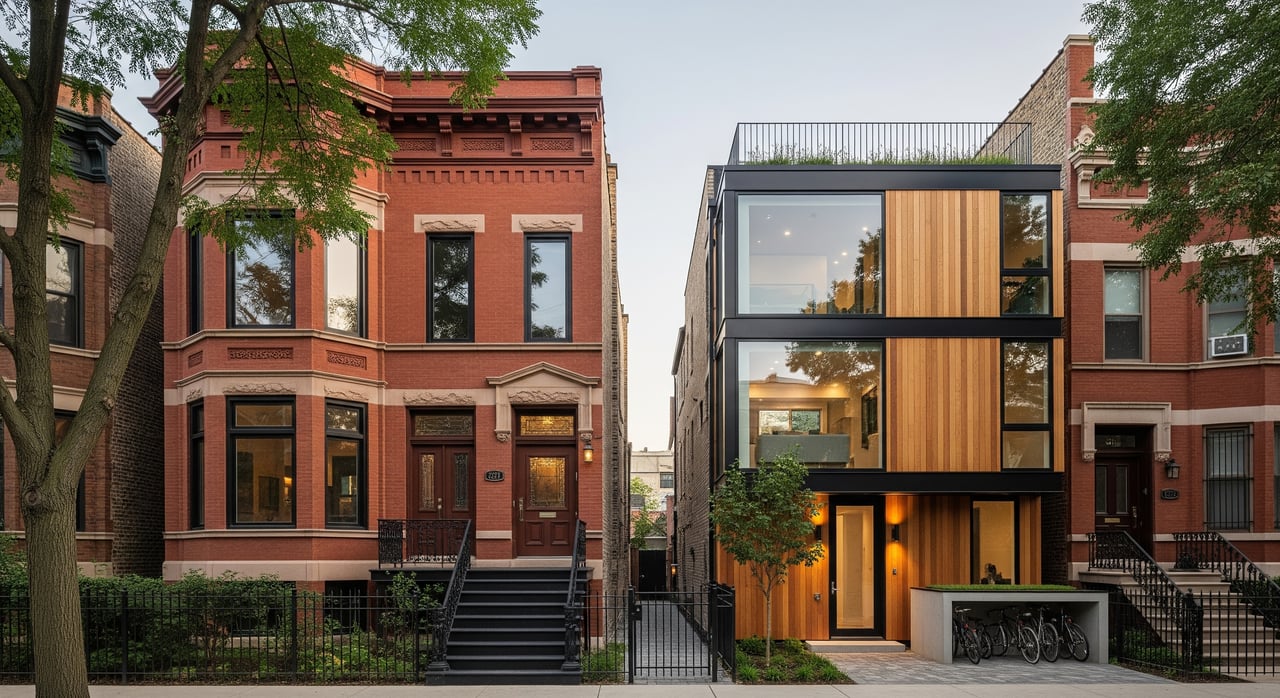
Thinking about turning your Wicker Park two-flat into a better cash‑flow play with an extra unit? You’re not alone. Many owners see potential in a coach house, garage apartment, or internal split, but the rules can be confusing. In this guide, you’ll learn the ADU basics, the zoning checks that matter most on Chicago two-flats, the permit path, common risks, and what to verify with the City before you spend a dollar. Let’s dive in.
Key ADU terms in Chicago
Chicago uses a few different terms for similar ideas. It helps to align on language before you plan.
- Accessory Dwelling Unit (ADU): A secondary, smaller residence on the same lot as a primary home. It can be attached inside the main building or detached.
- Coach house / Garage apartment: A detached unit, often at the alley, either above a garage or at ground level.
- Two-flat: A Chicago staple. One building, typically two separate apartments, often one per floor. Common in RT districts.
- Zoning district shorthand: RS is single-family, RT is two-flat/townhouse, RM is multi-unit residential. Numbers like RT4 or RM5 change bulk and size limits.
- Zoning vs building code: Zoning controls where and how big you can build. Building code controls how you build safely. You must satisfy both.
Zoning vs building code
Zoning decides your use, density, setbacks, height, lot coverage, and floor area. It tells you if a coach house or an internal ADU is even possible on your lot. Building code covers construction: structure, fire separation, egress, electrical, plumbing, and habitability. If your design meets zoning but fails code, you still cannot build. Plan for both from the start.
Feasibility checks in Wicker Park
Start with the site. A quick triage can save months of redesign and hearings.
Zoning district and uses
Confirm the exact zoning district and any overlays. That sets whether two units are a permitted primary use and whether an accessory dwelling or coach house is allowed. Some sites sit inside Planned Developments or special overlays that change the baseline rules.
Lot size and coverage
Detached ADUs and coach houses often need minimum lot width and area. Lot coverage and floor area ratio caps can stop an addition even if there is physical space. If the property is already near its maximums, zoning relief may be required.
Setbacks and envelope
Front, side, and rear yard rules define your buildable box. Coach houses typically must respect rear-yard setbacks and open space requirements. Alley-side setbacks and utility easements can further limit the footprint.
Alley access and garage
Most coach houses assume alley access for cars and utilities. If there is no alley or a constrained alley, feasibility drops. If a garage exists, evaluate whether it can support a dwelling above or must be replaced.
Parking rules
Some ADUs trigger parking; others can be exempt, depending on district and policy updates. Where parking is required, it drives the design and may push you toward a garage unit versus an interior conversion.
Height and massing
Height and story limits vary by structure type. Coach houses are often capped lower than the main building. Verify height early to avoid redesign.
Historic or landmark
Parts of Wicker Park fall within historic districts or include individual landmarks. Landmark review can limit exterior changes, alley structures, or demolition. Expect design scrutiny and extra approvals if your property is designated.
Utilities and meters
Separate rentals often need separate gas, electric, and sometimes water service. Plan space for new meters and service lines, or consider submetering where allowed. Utility work can be a meaningful budget item.
Fire safety and code
Adding a unit can trigger fire separations, safe egress paths, stair width updates, and even sprinkler requirements in some configurations. Older two-flats may need more upgrades than you expect to pass inspections.
Permit path and timeline
Here is the typical sequence so you know what to expect and who is involved.
Pre-application checks
Verify zoning, overlays, and landmark status. Pull the permit and inspection history to find past work, variances, or open violations. Confirm the legal unit count on record.
Design and plan review
Engage an architect with ADU and coach house experience. Prepare plans that show zoning and code compliance. Submit to the Department of Buildings for plan review of structure and life safety.
Zoning relief if needed
If your proposal exceeds setbacks, height, FAR, parking, or other limits, you may need a variance or special approval. These processes add time, cost, and public hearings, so factor that into your project plan.
Permits and inspections
After approvals, pull building and trade permits. Expect milestone inspections throughout construction. You need final occupancy approval before leasing the new unit.
Licensing and rentals
If you plan short-term use, Chicago has licensing and registration requirements. Confirm whether your configuration requires rental registration or periodic inspections.
Timeline and costs
Simple interior conversions that fit zoning may take a few months from plans to construction. Projects that need zoning relief or landmark review can take many months to a year or more. Budget for plans, permits, impact fees where applicable, construction, utility connections, and possible expeditor or attorney fees.
Fast investor checklist
Use this list to qualify a two-flat before deep design work.
- Zoning and status
- Identify zoning district and any overlays, PDs, or landmark status.
- Confirm current legal use and unit count.
- Check lot width and area against typical coach house minimums.
- Verify alley presence, width, and any utility easements.
- Building and systems
- Evaluate garage condition and whether it can carry a second-story unit.
- Review roof, foundation, and structure for added loads.
- Plan space for separate utilities and meters.
- Assess interior layout for a basement or internal ADU without disrupting critical systems.
- Administrative checks
- Search permit history for unpermitted work or illegal conversions.
- Confirm no restrictive covenants or association rules that block ADUs.
- Identify triggers for parking, sprinklers, or significant code upgrades.
- Financial and market
- Estimate cost per square foot for your ADU type.
- Compare probable rent and vacancy for the planned unit size.
- Model property tax and insurance impacts and consult your accountant.
- Team
- Line up an architect with Chicago ADU experience.
- Engage a zoning attorney or expeditor if relief is likely.
- Select a contractor familiar with Chicago DOB inspections.
Risks and negotiation tips
- Sellers sometimes market “ADU potential” without confirming zoning or code. Require documentation or price for the uncertainty.
- Unpermitted prior work can add remediation costs. Use permit history and inspections to surface issues early.
- Landmark constraints can limit design or add time. If designated, build that into schedule and contingency.
- Hidden code triggers, like fire separations or egress fixes, can shift budgets. Carry contingencies for older two-flats.
- Community feedback and variance timelines can extend projects. Plan for delay risk in your pro forma.
What to verify with the City
Before you close or commit to plans, confirm rules with official sources. Municipal websites update over time, so use current city portals and code hosts.
- Department of Buildings: permit application requirements, plan review, inspections.
- Department of Planning and Development and the Chicago zoning map: base zoning, overlays, and Title 17 standards.
- Commission on Chicago Landmarks: landmark district boundaries and design guidelines for Wicker Park properties.
- Business Affairs and Consumer Protection: short-term rental licensing and rental registration rules.
- Cook County Assessor and Recorder: legal description, assessed value, recorded easements and covenants.
Putting it together for Wicker Park
If you own or are buying a Wicker Park two-flat, start with zoning, lot dimensions, and landmark status. Then scope the ADU form that best fits your site: a basement or internal unit if coverage is tight, or a coach house if your lot and alley conditions support it. Budget for utilities and life-safety upgrades, and expect more time if you need relief or are in a historic district. With the right plan and team, an ADU can be a practical value-add that improves long-term returns.
Ready to assess a specific property or model rent and rehab scenarios? Connect with the Joe Kotoch Group to align zoning, design, and execution with your investment goals.
FAQs
What is an ADU on a Chicago two-flat?
- An ADU is a secondary dwelling on the same lot as your main residence, such as a basement unit, in‑law suite, coach house, or garage apartment. It must meet both zoning and building code.
Are coach houses allowed in Wicker Park?
- It depends on the property’s zoning district, lot dimensions, setbacks, and any overlays or landmark status. Confirm your site’s requirements before designing.
Do I need parking for a new ADU?
- Some ADUs require on-site parking while others are exempt, depending on district and policy updates. Check your specific zoning rules to be sure.
How long does ADU permitting take?
- Simple interior conversions can move in a few months, while projects needing zoning relief or landmark review can take many months to a year or more.
What if my two-flat is in a landmark district?
- Expect additional design review and approvals. Landmark guidelines can limit exterior changes, including alley structures like coach houses.
Can I use an ADU for short-term rentals?
- Chicago requires registration and licensing for short-term rentals. Check current rules and whether your configuration qualifies before listing.