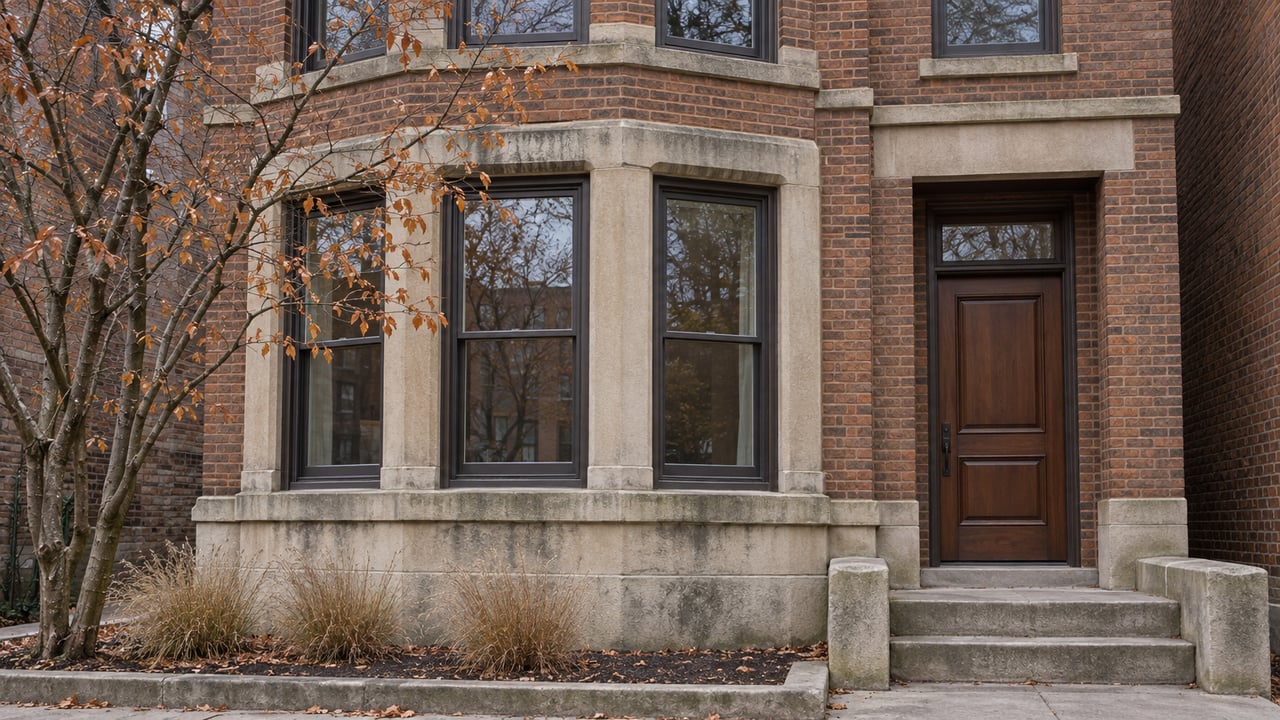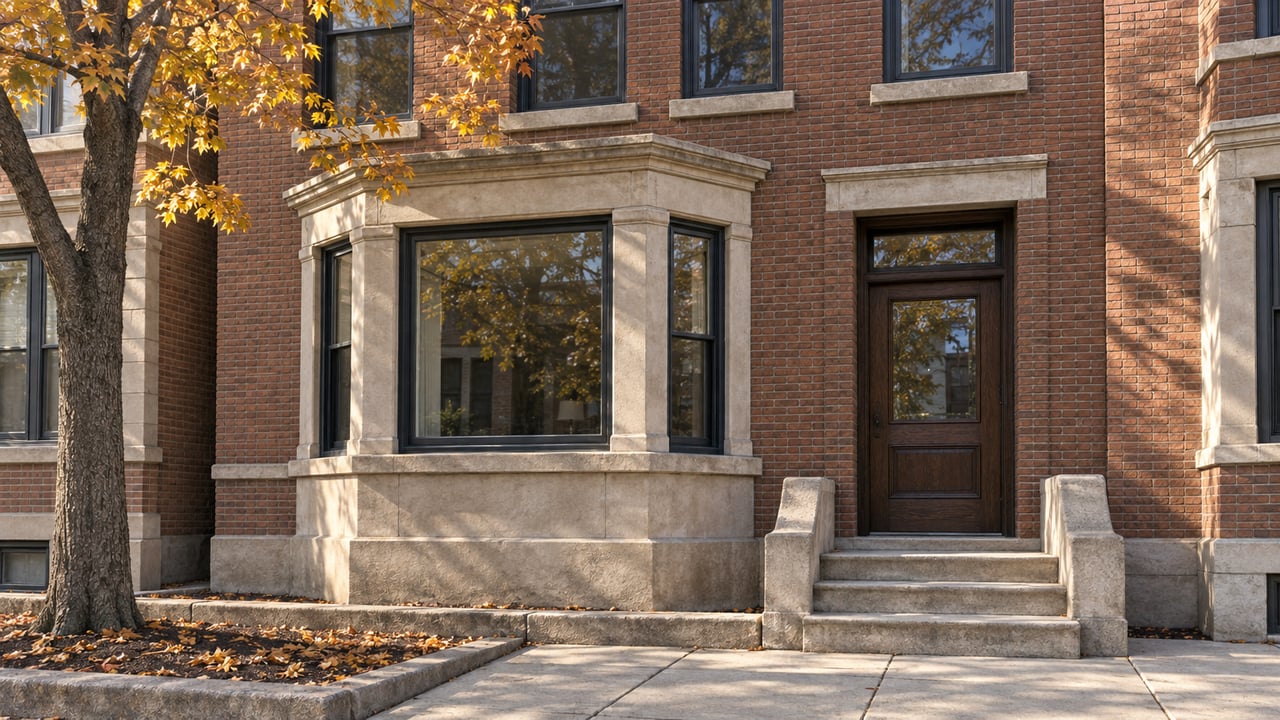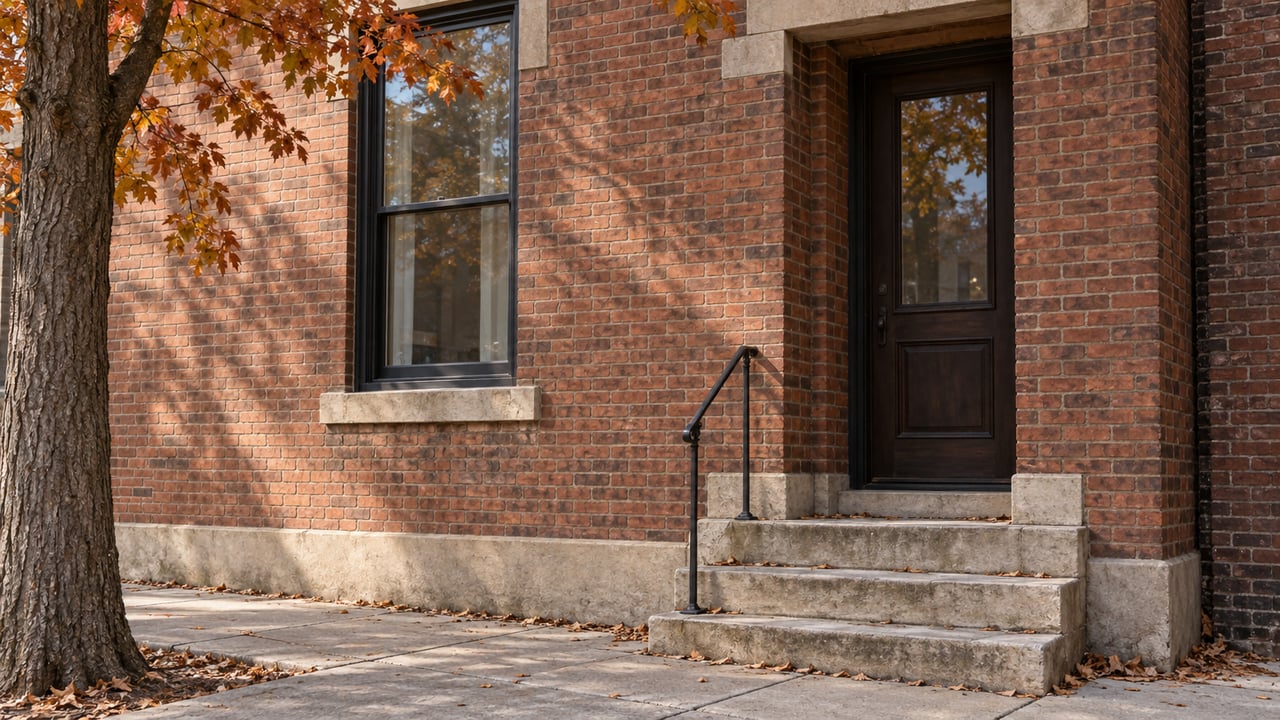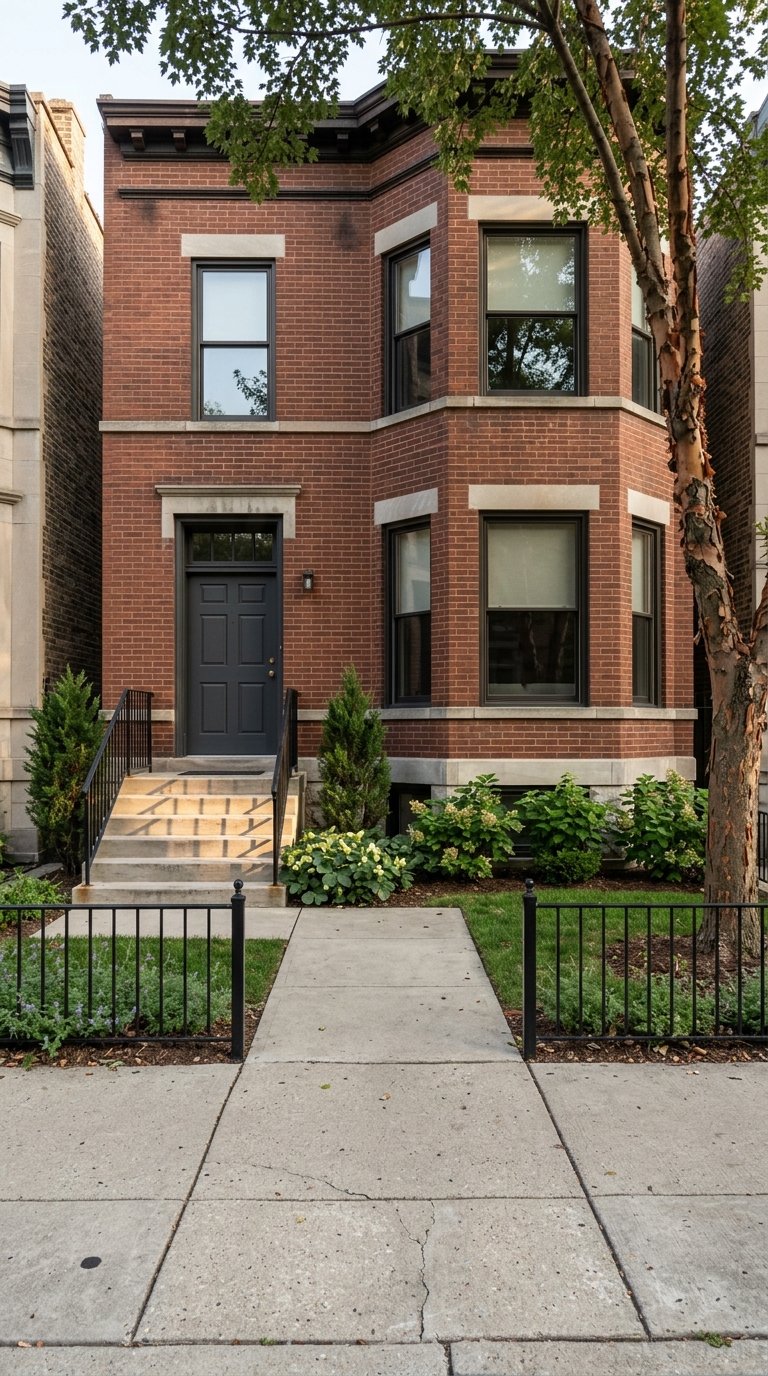
If you want a neighborhood where you can grab coffee, walk to dinner, hop on the train, and still have quick access to parks, Bucktown tends to get your attention fast. For many buyers, the real question is not whether Bucktown is popular, but whether its daily rhythm actually fits the way you want to live. In this guide, you’ll get a practical look at Bucktown’s lifestyle, green space, dog-friendliness, and commuting options so you can decide if it feels like the right match. Let’s dive in.
What Bucktown feels like
Bucktown is generally described as part of the West Town and Logan Square community areas, roughly bounded by North, Ashland, Western, and Fullerton Avenues. According to the Encyclopedia of Chicago, the area began as a primarily Polish working-class neighborhood and has changed significantly over time.
Today, Choose Chicago describes Wicker Park and Bucktown as an eclectic mix of old and new, with restaurants, taco stands, boutiques, vintage shops, and ways to get around on foot, by transit, bike, or car. In practical terms, that points to a dense urban lifestyle with activity built into your day-to-day routine.
If you like neighborhoods where errands, dining, and weekend plans can happen close to home, Bucktown checks that box for many buyers. If you prefer a quieter suburban layout with more separation between residential and commercial areas, Bucktown may feel more active than what you want.
Walkability and daily routine
One of Bucktown’s biggest lifestyle draws is how naturally movement fits into the neighborhood. Shops, restaurants, and residential streets sit close together, which can make it easier to build a routine without relying on your car for every stop.
That convenience extends beyond basic errands. The neighborhood’s connection to transit and biking routes gives you flexibility, which matters if your schedule changes often or you want options for workdays and weekends.
For many North Side buyers, Bucktown appeals because it supports a city-first routine. You can live in a place where walking to meet friends, biking for exercise, or catching the train downtown all feel realistic.
Parks and outdoor space
The 606 is a major lifestyle feature
If outdoor access matters to you, The 606 is one of Bucktown’s strongest selling points. The Chicago Park District says the 606, also called the Bloomingdale Trail, runs 2.7 miles between Ashland and Ridgeway, includes 12 access points and 17 accessible ramps, and is open daily from 6 a.m. to 11 p.m.
The trail is designed for active use. It is 10 feet wide, has running tracks on both sides, and the Park District notes that motorized or commercial vehicles are not allowed. That setup helps make it a practical option for walking, running, or biking as part of your normal week.
Just as important, The 606 is woven into the neighborhood rather than tucked away from it. The Park District notes that the easiest access is by foot, bike, or CTA, with the Western and Damen Blue Line stops closest to the trail.
Walsh Park and Churchill Field Park
Walsh Park is a key access point because it sits at the eastern end of The 606. The Park District page for Walsh Park notes that it is directly adjacent to the trail and includes an athletic field, basketball hoops, a playground, and a dog-friendly area.
Churchill Field Park is another nearby access point worth knowing. It also has a dog-friendly area, which adds flexibility if you want both trail access and a designated place for your dog to be off leash with the proper permit.
Nearby Holstein Park
While not in Bucktown proper, Holstein Park is a nearby amenity that can shape daily life for many households. The 3.25-acre park includes a fieldhouse, two gyms, a pool with a wading pool, baseball and softball fields, a volleyball court, a playground, a spray feature, and after-school programming.
If you are comparing Bucktown with other North Side neighborhoods, nearby park variety matters. Access to both the linear trail experience of The 606 and a more traditional neighborhood park setup can be a real advantage.
Is Bucktown good for dog owners?
For dog owners, Bucktown has practical upside. The Chicago Park District’s dog-friendly area rules say dogs must be leashed in public areas, and designated Dog Friendly Areas require a permit and registration tag.
That matters because nearby options are not just informal green spaces. Walsh and Churchill both provide dog-friendly areas, giving you access to designated off-leash options in addition to everyday walks on neighborhood streets and along The 606.
If your dog is a big part of your routine, Bucktown can work well because it offers multiple ways to get outside. You still want to understand the Park District permit rules, but the neighborhood gives you useful infrastructure for dog life.
Commutes and transportation
The Blue Line is the anchor
Bucktown’s biggest commute advantage is the CTA Blue Line. According to the CTA Blue Line page, the line runs 24 hours a day, seven days a week, between O’Hare and Forest Park via downtown.
That kind of frequency matters more than people sometimes realize. The Damen station timetable shows frequent service throughout the day, including every 2 to 8 minutes during weekday PM rush, which can make commuting without a car a realistic option for many residents.
The area around Damen, Milwaukee, and North also functions as a major shopping, restaurant, and nightlife hub, based on the Park District’s description of access to The 606. In everyday life, that means your transit stop may also be part of your social and retail routine, not just your commute.
Can you live here without a car?
In many cases, yes. Between the 24/7 Blue Line service and the neighborhood’s orientation around walking, biking, and CTA access, Bucktown supports a car-light lifestyle better than many areas do.
That said, your answer depends on your work location and weekly habits. If you drive often, Bucktown’s location near the Kennedy corridor can be helpful, but actual drive times will depend on traffic patterns rather than the map alone.
What to know about driving and parking
A cautious way to think about Bucktown by car is that it sits close to the Kennedy corridor. The Encyclopedia of Chicago places Bucktown’s eastern boundary at Ashland, and Walsh Park is described as west of the Kennedy Expressway, which suggests convenient highway access.
Parking is also worth thinking through if you plan to use The 606 regularly by car. The Park District notes there is no dedicated parking facility for The 606, so street parking and any resident-permit restrictions can affect convenience for visitors.
Is Bucktown a fit for families?
Bucktown can work for a range of household setups because the lifestyle equation is broader than just one feature. Parks, trail access, transit, and nearby school options all play a role in how the neighborhood functions from day to day.
For school research, Chicago Public Schools recommends using its School Locator to search by name, address, or ZIP code and to view attendance boundaries. That is important because school fit should be checked address by address, not assumed across the whole neighborhood.
Two nearby options that may come up in a Bucktown search are Pulaski and CICS Bucktown. CPS notes that Pulaski, at 2230 W. McLean, is a PK-8 school with an IB program, a Regional Gifted Center for Spanish-speaking English Language Learners, two full-day preschool programs, and Blue Line and bus access. The research report also notes that CICS Bucktown, at 2235 N. Hamilton, is a K-8 charter school with no attendance boundary and CTA access.
The key takeaway is simple: Bucktown offers a mix of nearby options, but the right fit depends on your exact address, school preferences, and daily schedule. If schools are a major part of your move, it is worth reviewing them early in your home search.
Who Bucktown tends to suit best
Bucktown often makes the most sense if you want a neighborhood that supports an active, urban routine. You may be a strong fit if you value walkability, easy transit access, nearby parks, and the ability to mix work, dining, exercise, and errands into one connected area.
It can also appeal if you want flexibility. Some buyers are drawn to Bucktown for lifestyle reasons, while others also see value in the neighborhood’s position on the North Side and its mix of housing and transportation advantages.
At the same time, no neighborhood is one-size-fits-all. If your priority is maximum quiet, more driving-oriented convenience, or a less dense day-to-day environment, you may want to compare Bucktown with nearby alternatives before deciding.
Bottom line on Bucktown
Bucktown stands out because it combines city energy with real everyday usability. The 606, nearby parks, dog-friendly areas, and 24/7 Blue Line access create a neighborhood where getting around and getting outside can feel easy, not occasional.
For the right buyer, that combination is hard to beat. If you want help comparing Bucktown with other North Side neighborhoods, or you want a more strategic read on which blocks and properties best fit your lifestyle or investment goals, the Joe Kotoch Group can help you make a clear, informed decision.
FAQs
Is Bucktown in Chicago a walkable neighborhood?
- Yes. Bucktown is described as an area with shops, restaurants, boutiques, and residential streets, and The 606 adds another strong walking and biking feature to daily life.
Is Bucktown in Chicago good for dog owners?
- Yes. Nearby dog-friendly areas at Walsh Park and Churchill Field Park, along with neighborhood walking routes and The 606, make it a practical area for many dog owners.
Can you commute from Bucktown without a car?
- Often, yes. The CTA Blue Line runs 24/7, and the area is well suited to walking, biking, and transit-based routines.
What parks are near Bucktown, Chicago?
- Key nearby options include The 606, Walsh Park, Churchill Field Park, and Holstein Park.
How do you check school options in Bucktown, Chicago?
- Use the CPS School Locator to review attendance boundaries and nearby schools by exact address, since school assignment should not be assumed neighborhood-wide.
Is Bucktown right for families in Chicago?
- It can be a strong fit for many households thanks to parks, trail access, transit, and nearby school options, but the best fit depends on your exact address and daily needs.